Breast size and shape may vary greatly among different women. Although breast size doesn’t define health or femininity, it’s essential to understand the factors influencing breast development and the facts surrounding breast enhancement methods. It is important to embrace the natural shape and size of your breasts and avoid falling for misleading advertisements promoting hormonal pills and massage oils that claim to enhance breast size naturally. If someone wishes to change the shape or size of their breasts, medically speaking, breast augmentation surgery is an option. It is important to understand the potential risks associated with the surgery before making a decision. If you are searching for how to increase the breast size naturally on the internet then this article will help you with scientifically-supported information on breast health, surgical, and natural methods for breast enlargement and more valuable insights. Interesting Facts About Breasts Did you know that the left...
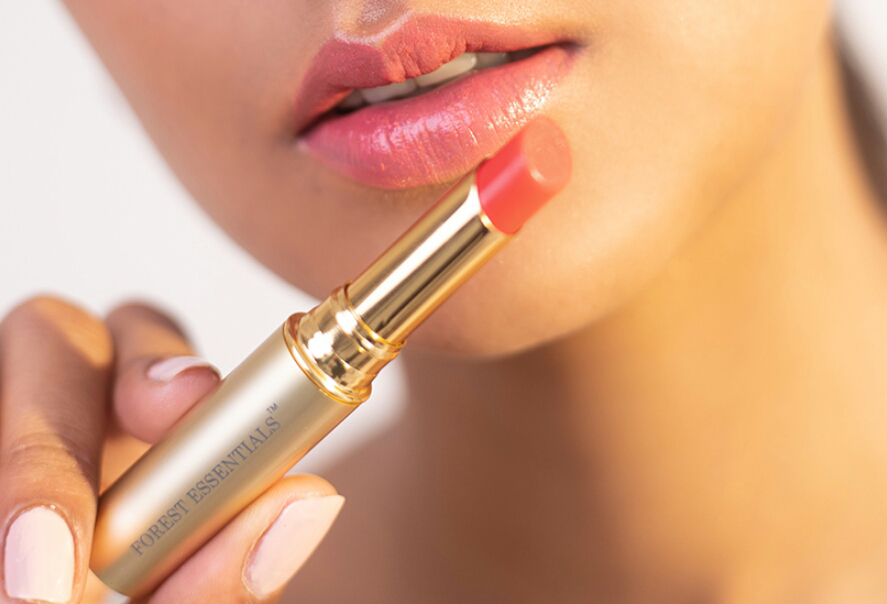
Similar to your body, your skin absorbs everything that is topically applied on it. Whilst you invest in the best skincare treatments for a healthier complexion, it is also key to apply the best quality of makeup on your skin to keep up with its health. Natural makeup is all the hype these days but the word ‘natural’ is used too often by conventional makeup brands and has lost its meaning in translation. Confused? Read on as to understand the difference between natural, organic and chemical makeup.
How Does Organic Makeup Differ From Natural Makeup?When a makeup product is labelled as ‘certified organic’, its ingredients claim to be grown and sourced using organic methods – it must be grown without pesticides, GMOs (Genetically Modified Organisms) chemical fertilizers or sulphates.
However, labelling a makeup product as natural translates to it being sourced from plant extracts or animal by-products including Cow’s milk, Ghee and more. Most conventional makeup brands use the term ‘natural’ to promote their formulation and may include some ingredients that should be avoided for your skin. Synthetic ingredients may have the properties to boost your skin but some of them may even be toxic.
What Are Some Ingredients To Avoid While Choosing Makeup?
Lead
A chemical element used in cosmetic lip products and externally applied cosmetics. Its effects have been studied on the human body and when used above a certain level, it shows toxic effects in every organ system. However, no amount of lead is safe for human consumption.
Sodium Laureth Sulfate
Commonly found in cream-based cosmetics including foundation and concealer. It helps the skin absorb the makeup and set better but its benefits are not enough to overlook its repercussions. Sulfate can irritate sensitive skin and cause acne with regular usage.
Retinol
This wonder skincare ingredient is a boon for anti-aging but it is not meant to be used as a part of your makeup look. When exposed to the sunlight, retinol becomes carcinogenic. This family of Vitamin A is only meant for night time use so we suggest steering clear of them in your cosmetics.
Petroleum distillates
Many leading brands use this ingredient in the mascara formulations, which is often found in oil refineries. This hazardous ingredient can irritate the delicate eye area and cause dermatitis.
We encourage you to make the better choice for your skin and internal health with Ayurvedic makeup that is hand-crafted with stringent quality checks, using fresh herbs, fruits and natural scents. Discover Forest Essentials’ new Natural Makeup Collection now!
By Dr. Taruna Yadav
Discover thre beauty of Natural Make Up 💄👄from Forest Essentials 🥰🥰
Comments
Post a Comment