Ayurveda & Facial Oils πŸ’†‍♀️πŸ’†‍♂️

Skin care is very important in Ayurveda because it can show if you are getting proper nutrients and can be a beautiful way to start a self-care regimen. We suggest taking care of your skin with natural products and oils. Each skin type is different and prevention of acne or rashes is easier to handle. When you start to get a glow to your skin you will feel healthy, vivacious, and confident. Be attuned to how much sun exposure you get. The sun can be great for your skin. However, too much unprotected exposure can lead to serious health issues. Lie in the sun before noon or late afternoon making sure to not in the heat of the day. Lie out for 10-15 minutes or at the most 30 minutes. This will improve the circulation in the skin and strengthen the skin tone. However, if you are prone to sunburn or are at a high altitude, limit your sun exposure . There is a misconception that oil is bad for your skin and gives you acne. In fact, a daily oil massage of you body and face keep your skin...

8 Daily Antioxidants To Incorporate Into Your Diet !

8 Antioxidants to Incorporate Into Your Diet

You’ve probably heard that you should be incorporating more antioxidants into your diet, but what exactly are antioxidants and where can you find them?

Antioxidant basics

Antioxidants are substances that help protect our bodies from “free radicals” or unstable molecules capable of doing damage to our cells. Free radicals are formed during normal bodily processes like eating and exercising, or when we’re exposed to toxins like pollution or cigarette smoke.

Antioxidants can help neutralize free radicals and decrease the potential damage they might cause to our cells (also known as oxidative stress).

To put it another way, free radicals are the “bad” guys, and antioxidants are the “good” guys, swooping in to keep these culprits from destroying the place.  

Where do antioxidants come from? 

The best source of antioxidants is food, especially richly colored fruits, vegetables, and whole grains. A well-balanced diet with lots of different colors will provide you with a good amount of antioxidants. Aim for at least 3–5 servings of fruits and vegetables each day. Antioxidants can also be found in tea, coffee, and dark chocolate. 

Talk with your doctor or dietitian if you’re looking to supplement your diet with specific antioxidants. Dietary restrictions, specific health issues, and evolving research are important factors to consider before taking isolated forms of antioxidants. Also, beware that some vitamins (such as vitamin A) can be toxic in large doses.  

Important Antioxidants Needed for Strong Nutrition

It’s important to note that there are thousands of antioxidants and we haven’t even identified all of them yet. They all serve some purpose and many of them work together, which is why it’s important to eat a variety of foods. 

Vitamin A 

Vitamin A is important for good vision and helps maintain a healthy immune system, strong teeth, and healthy skin. Good food sources include eggs, meat, and dairy.

Vitamin C

Vitamin C aids in bone growth and repair and is important for wound healing. Vitamin C may also help prevent colds or make them go away faster and can help the body better absorb iron. Good food sources include citruses, such as oranges and grapefruit, bell peppers, strawberries, and broccoli.

Vitamin E

Vitamin E is important for healthy skin and eyes as well as a strong immune system. Good food sources include vegetable oils (olive, sunflower, canola), eggs, nuts, and green leafy vegetables.

Beta-carotene 

Beta-carotene is quickly converted to vitamin A in the body and is important for good vision, strong immunity, and general health. Good food sources include carrots, sweet potatoes, winter squash, spinach, kale, cantaloupe, and apricots.

Lutein 

Lutein is often referred to as the “eye vitamin” because it may be effective in reducing the risk of cataracts and age-related macular degeneration. Good food sources include spinach, kale, corn, and squash.

Lycopene  

Lycopene may play a role in preventing prostate cancer and cardiovascular disease. Good food sources include red fruits and vegetables such as tomatoes and watermelon. The richest sources of lycopene are in the more concentrated forms of tomatoes like ketchup, tomato juice, and pizza sauce.  

Anthocyanins 

Anthocyanins are associated with heart health and may help with weight and diabetes management. Good food sources include red, purple, and blueberries, pomegranates, red and purple grapes, and red wine.

Catechins  

Catechins may improve cardiovascular and neurological health and help with chronic fatigue syndrome. They can be found in green, white, and black teas.

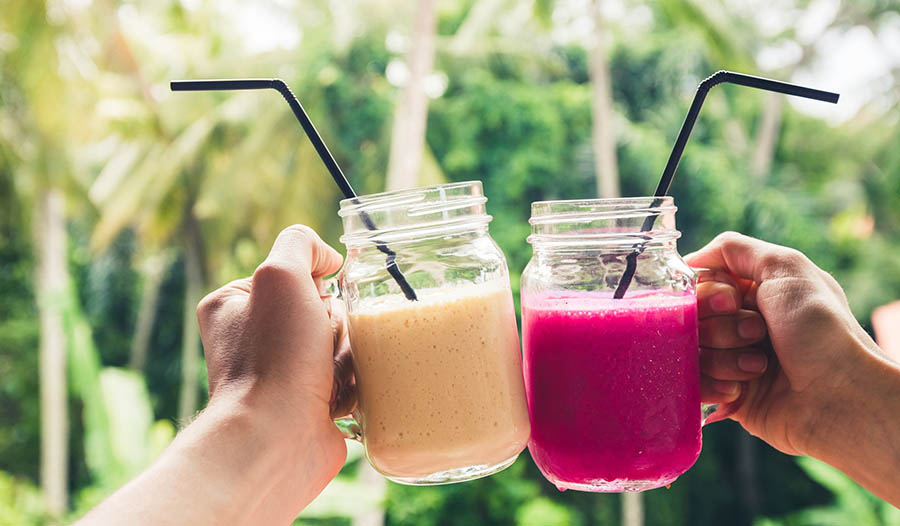
Antioxidant Rich Smoothie Recipe 

Ingredients: 

  • 8 oz. unsweetened almond milk
  • 1 heaping cup fresh or frozen strawberries
  • 1 packed cup fresh kale leaves
  • 1 cup frozen blueberries
  • 1 ripe peeled banana, fresh or frozen
  • 1 Tbs. nut butter
  • Dash ground cinnamon (optional)

Instructions:

  1. Add all ingredients to a blender
  2. Blend until smooth. 
  3. Serve with sliced strawberries or blueberries on top.


Comments

Popular posts from this blog

How can Ayurveda treat psoriasis?

Ayurveda is an ancient medical practice that some people try for psoriasis. It involves specific dietary habits, herbal compounds, and various other supportive practices. Psoriasis is an inflammatory condition that affects the skin, causing the excessive and rapid growth of skin cells. It can lead to the formation of thick, scaly plaques. Ayurvedic medicine involves ingredients that other medical disciplines have also used to treat psoriasis, such as  aloe vera  and  turmeric . While Ayurveda may be able to treat psoriasis in some people, researchers have not done large-scale clinical trials and systematic reviews to assess its safety and effectiveness. In this article, we look at the benefits of Ayurveda for people with psoriasis. We also examine the research into whether it offers effective treatment. Ayurveda and psoriasis A person with psoriasis could use Ayurvedic preparations on their skin. One of the most common topic...

Natural Home Remedies For Minor Burns πŸ”₯

Natural Home remedies for Burns The use of natural remedies given below can be highly effective in managing such minor burns. These remedies are aimed at promoting healing of the damaged skin tissues and minimizing pain. Raw Potato Raw potato can be used to treat minor skin burns. It possesses soothing properties, which help in providing relief from the burning sensation caused by burns. It also acts as an anti-inflammatory agent and reduces redness and inflammation of the skin. It can also reduce the chances of having blisters. Research has proved the beneficial effect of raw potato in the management of minor burns. The histological examination of the burnt area and clinical studies made on the comparable burn wounds treated with either peel of boiled potato affixed to gauze bandages or just gauze dressings showed that the patients treated with raw potato had a faster rate of recovery from the symptoms. It was found that the usage of the potato peel dressing eliminated or reduced desi...

Fruit Guide πŸ’πŸ“πŸπŸ…πŸ‹πŸπŸŽπŸπŸ‡πŸŒ

  You should include a variety of fruits in your daily diet. How to choose a variety of fruits? How much should you eat in a day? Let us talk about it in this guide. KEY RECOMMENDATIONS Variety:  Include a variety of fruits. Variety is key to health and maintaining the balance of dosha and nutrients in the body. Eat at least 2-3 different fruits daily. Choose fruits from different fruit categories. Local and Seasonal:  Choose fruits that are local and seasonal and widely available and grown in your country. Include Berries:  Berries are essentially important. You should try to include berries in your daily fruit plate. Find your native berries if not listed in this guide. Ripe and Uncooked:  Eat moderately ripe fruits, which are not processed, cooked or combined with other foods groups (except non-starchy vegetables). RECOMMENDED FRUIT SERVINGS You should consider your appetite, tolerance and metabolism to check how much you can eat and digest. According to the ...