
Balanced Eating: A Guide to a Healthy Ramadan Diet πŸŒ™

By Dr Rajarshi Mitra Maintaining a balanced diet during Ramadan is essential for your overall health and well-being. This guide, crafted by Dr. Rajarshi Mitra, a Laparoscopic Surgeon in Abu Dhabi, provides practical tips and advice on how to eat healthily during Ramadan, including what to eat during Suhoor and Iftar to stay energized and nourished throughout the holy month. Read on to discover how you can observe Ramadan while prioritizing your health. Understanding Balanced Eating for a Healthy Ramadan Diet What Does Balanced Eating Mean During Ramadan? As Dr. Rajarshi Mitra, a Laparoscopic Surgeon in Abu Dhabi with extensive experience in patient care, I often emphasize the importance of balanced eating, especially during Ramadan. Balanced eating during Ramadan means consuming a variety of foods from all food groups – carbohydrates, proteins, fats, vitamins, and minerals – in appropriate proportions. This helps ensure you receive all the necessary nutrients to maintain energy leve...

7 Spring Hair Care Ideas πŸ‘±πŸ’‡


As the weather warms up during the springtime, it’s time to break out a new haircare routine. Think of the season as a fresh start; a time for renewal and new beginnings. Why not start with applying a few new, healthy habits to your hair care routine while at home? From DIY at-home treatments to easy hair hacks, try these spring hair care ideas for healthy looking locks.

1. Stop washing your hair every day

The oils produced naturally by our scalp help keep hair moisturized and strong. But washing your hair too often can dry it out and cause breakage. Rather than washing hair every day, space out washes to every other day or twice a week (adapt based on what works best for your hair type). You can also do a water-only wash and skip the shampoo to remove dirt, or try a dry shampoo to prevent hair from looking greasy.

2. Try a coconut oil treatment

Coconut oil has so many uses, from cleaning teeth to flavoring foods. It also provides a great treatment for hair and skin. A 2015 report found that plant-derived oils, like from coconut, reduces protein loss for undamaged and damaged hair when used as a pre-wash and post-wash grooming product. 

Keep in mind that too much can weigh down hair or make it look greasy. To avoid buildup, start with a small amount (no more than a teaspoon) and gently massage the oil through your hair, beginning at the midsection working toward the ends.

3. Use a henna hair treatment

When you prefer a natural, at-home way to color your hair, try henna. Henna is a plant (lawsonia inermis) that grows in hot, dry climates like India. The leaves are harvested, dried, and ground into a fine powder then turned into a paste. People use it to dye hair, skin, and even fingernails. 

Hair dye for henna works great with all hair types. It gives a reddish, earthy color but can also mix with other plants for different hues. When blended with other plants like indigo, it creates a variety of shades including dark brown and black.
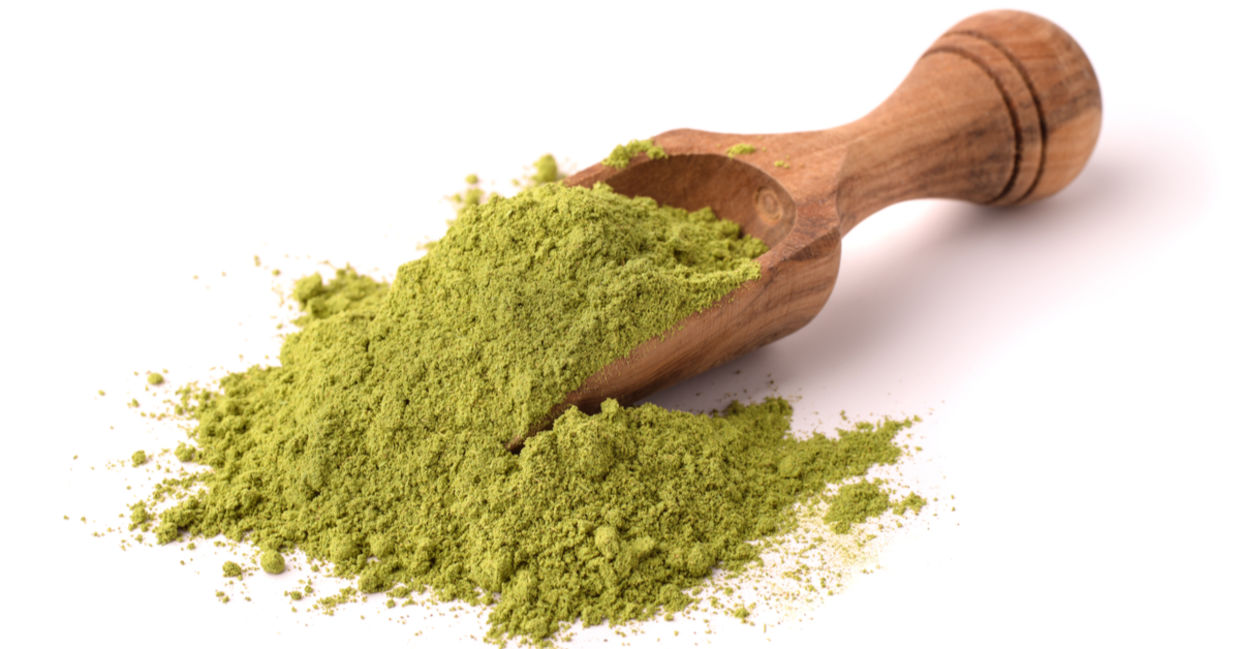
Image with no description

4. Run a hot and cold water wash

Both hot and cold water have benefits for your hair, so make sure to incorporate both into your hair care routine. Start with warm water, which helps remove dirt and excess oil. Shampoo hair and rinse with lukewarm water. Next, condition your hair. Rinse with cold water to seal moisture, leaving the scalp hydrated.

Image with no description

5. Make a DIY detangler for kids

Little ones can get extra sensitive when it comes to brushing their hair. Hydrating ingredients help brush out knots without pulling hair. Create your own DIY detangler by taking an empty spray bottle. Add 2-3 tablespoons of conditioner. Fill the rest with water. Then add your favorite essential oil, like eucalyptus, peppermint, or lavender. Spray some on your child’s hair and gently work out tangles (or add some to your own hair for a refreshing spritz).

Image with no description

6. Heal hair with at-home masks

The cold and dry winter months can wreak havoc on hair, causing things like split ends. Check your kitchen cabinet because you likely have lots of natural ingredients to relieve damage. Try some of these at-home remedies like:

Egg yolk and olive oil mask to give frizzy hair a healthy shine. Leave on for about 30 minutes before washing with lukewarm water.

The sugar and protein in beer helps to repair damaged hair follicles. Apply after shampooing and leave on for 2-3 minutes before rinsing it off.

Honey heals hair and dryness in the scalp. Make a honey mask with curd, olive oil, and egg yolk. Leave on hair for about 20 minutes before washing it off.

7. Plan ahead for your next trim

Regular trimming keeps hair looking healthy by removing split ends. But with circumstances keeping people indoors, hairdressers are out of work and unable to offer their skills. So if you can’t go in for a trim just yet, support your hairdresser and buy a gift certificate in advance. 
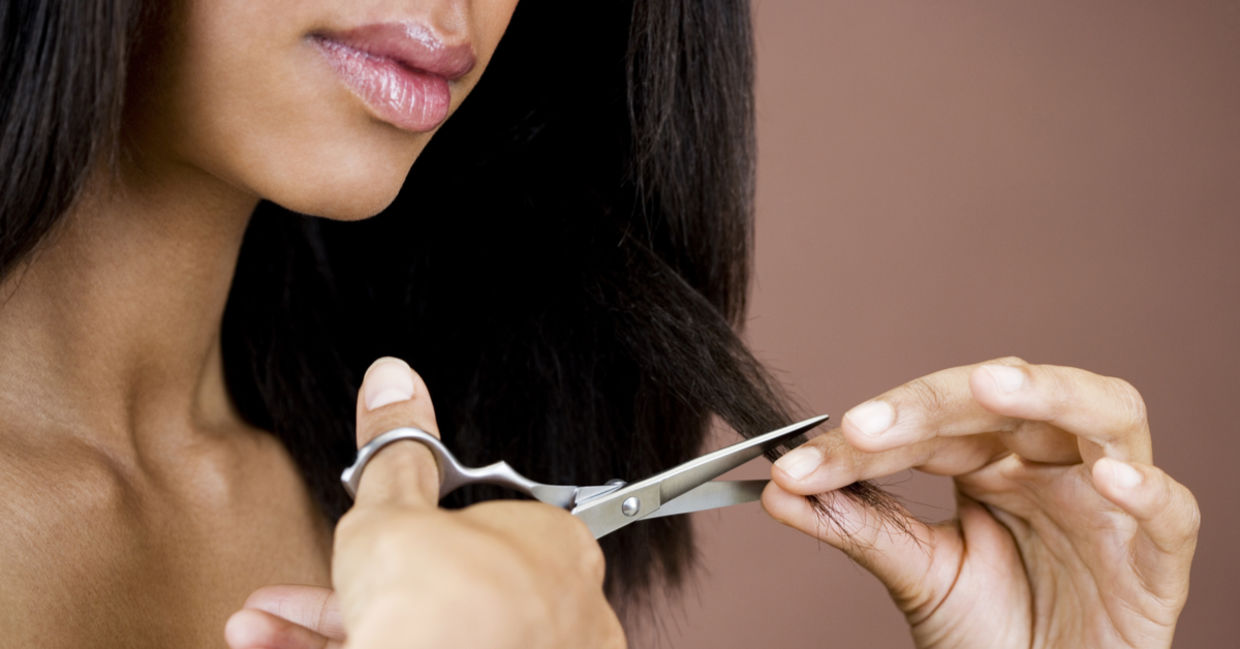
Image with no description

ALLISON MICHELLE DIENSTMAN

https://www.goodnet.org/articles/7-spring-hair-care-ideascoconut oilUse a henna hair treatment

Comments

Popular posts from this blog

Natural Home Remedies For Minor Burns πŸ”₯

Natural Home remedies for Burns The use of natural remedies given below can be highly effective in managing such minor burns. These remedies are aimed at promoting healing of the damaged skin tissues and minimizing pain. Raw Potato Raw potato can be used to treat minor skin burns. It possesses soothing properties, which help in providing relief from the burning sensation caused by burns. It also acts as an anti-inflammatory agent and reduces redness and inflammation of the skin. It can also reduce the chances of having blisters. Research has proved the beneficial effect of raw potato in the management of minor burns. The histological examination of the burnt area and clinical studies made on the comparable burn wounds treated with either peel of boiled potato affixed to gauze bandages or just gauze dressings showed that the patients treated with raw potato had a faster rate of recovery from the symptoms. It was found that the usage of the potato peel dressing eliminated or reduced desi...

Spring Detox Smoothie

When spring arrives, I can't help but think about cleaning up my eating habits. After all, spring detox is a thing (along with spring cleaning, which technically is a detox for your home). That's why I’m sharing with you a smoothie packed with nutrients your body will love. Drink it in the morning and you'll give your body a much-needed boost of energy to get you through the day. Ingredient Breakdown: Why Each One Matters  Before I get to the actual recipe, I'd like to shine the spotlight on each individual ingredient used in this smoothie. You'll quickly see why this is a great spring detox smoothie worth drinking. Green Tea Not only is  green tea tasty to drink on its own, but it's also full of health benefits. It's high in antioxidants and contains a large amount of catechins, polyphenolic compounds that are thought to exert numerous protective effects, ...

Ayurveda for Moving into Spring 🌺

     According to Ayurveda, one of the keys to maintaining health is to practice ritucharya—seasonal routines. Adjusting our daily self-care rituals to seasonal changes helps us maintain balance and reminds us that we are a part of the natural world. Spring is ruled by the kapha dosha , whose qualities are heavy, cool, soft, dense, stable, solid, and cloudy. To adjust for the season , consider the following practices: Wake with the sunrise . One of the best practices to minimize the heavy quality of kapha in the mind and body is to wake with the sun (around 5:30 am this time of year). Dawn is ruled by vata and is light, clear, and subtle. Get moving. When kapha is dominant in the day, the muscles are strongest between 6:00 and 10:00 am. Get outside for a brisk walk or do some vigorous yoga to melt away excess kapha. Kapalabhati pranayama is a great way to stoke the fires of digestion. Eat lighter foods. In the winter months, we naturally gravitate to...