In Ayurveda, there are urges to not resist and doing so is harmful to the body. An urge can be yawning, going to the bathroom, burping, sleeping, crying, etc. Holding in these urges can put stress on the body and interrupt proper detoxification processes. Every urge has a purpose that connects to helping movement and cleansing. We regenerate a lot during sleep, which is why the body has an urge for rest. We may need to cough to clear the throat or drink water for cellular hydration . Crying is an emotional urge that carries more importance than we may think. In the Vedic texts, there are the 13 urges to not resist, called vega dharana or vega vidharan: Belching, flatulence, bowel movements, urination, sneezing, thirst, hunger, sleeping, coughing, yawning, crying, vomiting and ejaculating. The Ashtanga Hridaya (Vedic text) also mentions the urge to heavily breathe after exertion. There are other urges that we can think of such as laughing, screaming or shouting in an urgent situation. O...

Understanding Endometriosis
Endometriosis is a gynecological condition that affects 1 out of every 10 women of reproductive age. It is defined as the presence of functional endometrium (the internal cellular lining of the uterus), insights other than the uterus. It is of 2 types- external and internal.
External refers to endometriosis of any part of the body except the myometrium (muscular wall of the uterus).
- In internal, endometriosis is found in the myometrium (muscular wall of the uterus).
Although evidence has been presented that subtle endometriotic lesions are a normal physiological condition occurring intermittently in all women. But normally these extra growths are destroyed by our immune response, whereas in endometriosis this mechanism fails. Endometriosis also makes conception harder for some women.
Contributing factors or possible causes:
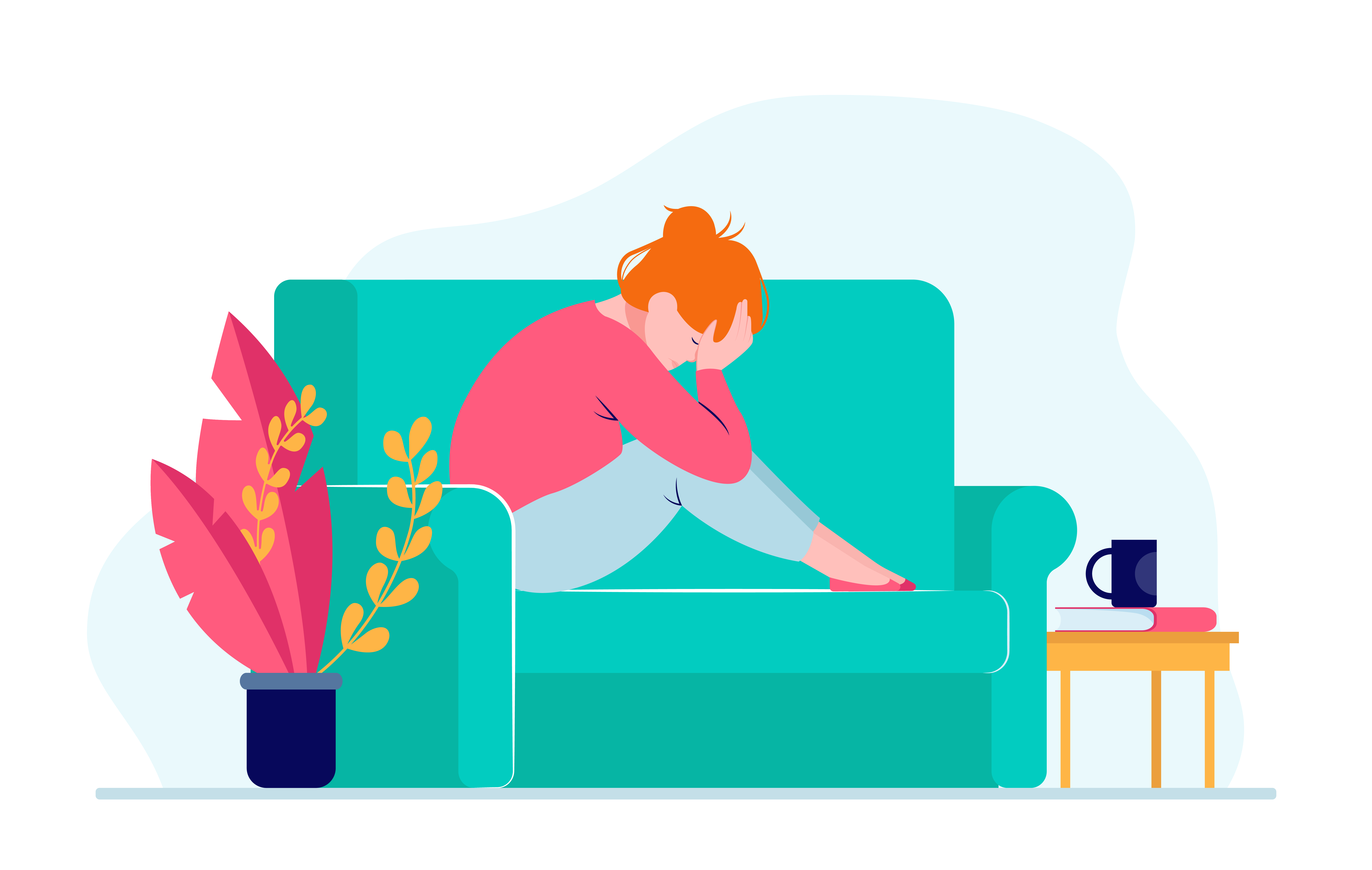
- Retrograde menstruation- instead of flowing downwards, the menstrual blood travels upwards and spills in the peritoneal cavity.
- The dominance of the hormone estrogen- leads to the growth of the endometrial cells.
- Altered immune response- doesn’t allow auto-destruction of these unnatural growths.
- Genetic influence
Understanding The Ayurvedic Perspective
According to Ayurvedic physiology, Arava (the reproductive apparatus along with the menstrual blood and the ovum) is formed from the Rasa Dhatu (the first tissue formed after digestion and metabolism). When the food habits are faulty like an excessive indulgence is heavy, fried, oily, or too dry food, incompatible foods like fruits with milk, excessive junk food, non-vegetarian dominant or dairy dominant food, overeating, etc, the metabolism is hampered leading to inflammation and formation of endotoxins in the Rasa Dhatu, which is passed on to the Arava too.
Other contributing factors are sedentary lifestyle, habitual constipation,suppression of natural urges like urination, defecation, etc, excessive stress, environmental factors, and drug abuse leading to endotoxins or toxic metabolite formation which leads to improper nutrition as well as an altered immune response in the reproductive system overall leading to excessive endometrial growth and weak ovum or egg. The overall sustained toxicity in the tissues over time leads to these endometrial growths to implant in the other areas outside of the uterine cavity making conception difficult. There is a retrograde menstrual spill (reversed flow of menstrual blood) due to dysfunction in the normal movement of Vata dosha.
Management Protocol of Ayurveda
The Ayurveda treatment is based on the state and stage of the disease. The three types of lesions namely peritoneal lesions, endometrial lesions (chocolate cysts), and Rectovaginal nodule have to be treated differently. Various Treatment protocols are adopted to neutralize the endotoxins with an appropriate scientific nutrition schedule. Fasting, lighter meals, bitter ingredients are added to the diet. Medications to improve metabolism, reduce inflammation, and balance the Vata dosha are given judiciously. Later altered immune response is corrected by ‘medicated ghee’ given internally. Treatment procedures like Uttar Basti are useful in Vata dysfunctions or to regulate pain. The format of the dietary regimen includes the following:
Making Smarter Food Choices:
Completely avoid- milk and milk products like milk, buttermilk, casein, curds, yogurt, mayonnaise, khoa, milk drinks, lassi, ice creams, desserts, butter, cheese, etc.
Avoid all forms of deep-fried items.
Cut back on frozen, cold, refrigerated, and stale food.
Reduce consumption of carbonated drinks, readymade juices, Alcohol, Wines, Beer, etc.
Reduce the intake of fats and high-fat cooking options such as frying in oil and ghee. (prefer boiled, steamed, roasted, stewed, baked recipes)
Prefer boiled vegetables, soups, stews, cereals without milk, gruels, roast, and grills without oil.
Considering cutting back on all types of bakery products like bread, biscuits, patties, cakes, pastries, etc. ( you can eat whole wheat bread occasionally without any yeast or additives or oil/butter). Also avoid all products that are prepared from refined flours like noodles, pasta, spaghetti, etc. Pickles, fries, vinegar, condiments, sauces, jams, vinegar, raw mango, tamarind, excess salt in food.
Fermented food products like vinegar, pickle, idli, dosa, etc
All fruits (except pomegranate), nuts, dry fruits.
Try to consume warm water and reduce intake of cold or room temperature water.
Limit intake of Meat, Fish, and Eggs
Planning A Smart Diet- What To Include?
All vegetables- especially bitter vegetables. (Cooked with little oil)
All pulses, dals, cereals.
Cooked coconut.
Black tea, Black coffee, Green tea.
Rice popcorns, plain popcorn
Root and tubers like carrot, beetroot, and radish, sweet potato to be cooked and consumed.
Potato cooked but occasionally.
All types of masalas and spices are used to garnish the food.
Boiled or medicated water to drink and warm water only during meals.
Eat freshly prepared, warm food.
General Guidelines For Ayurveda
Avoid eating without feeling hungry.
Do not sleep late. Should have at least 7 hours of sleep daily. 2 hours of a gap between dinner & sleeping.
Do not sleep during day time.
Drink sips of warm/hot water with meals.
Practice 10 min of breathing exercise twice daily.
Sunbath every morning with an empty stomach for 15 min.
Walking every day for a half-hour at least is advisable.
Avoid suppression of urges like urination, defecation, vomiting, sneezing, hiccups, passing of winds, etc.
With the appropriate dietary, lifestyle regimen, and scientific medication,Ayurveda can completely cure or in severe cases effectively manage endometriosis by reducing the pain factor, inflammation, arresting further growths and implants, and avoid complications that usually lead to the removal of the uterus.
About The Author
 Dr. Sujal Torgal Patil is the chief medical officer at Taraya Natural Health Center and works with us as our in-house Ayurveda expert. She has helped numerous couples conceive with her Ayurvedic techniques and concoctions.
Shop Endometriosis supplements from iHerb
Comments
Post a Comment