In Ayurveda, there are urges to not resist and doing so is harmful to the body. An urge can be yawning, going to the bathroom, burping, sleeping, crying, etc. Holding in these urges can put stress on the body and interrupt proper detoxification processes. Every urge has a purpose that connects to helping movement and cleansing. We regenerate a lot during sleep, which is why the body has an urge for rest. We may need to cough to clear the throat or drink water for cellular hydration . Crying is an emotional urge that carries more importance than we may think. In the Vedic texts, there are the 13 urges to not resist, called vega dharana or vega vidharan: Belching, flatulence, bowel movements, urination, sneezing, thirst, hunger, sleeping, coughing, yawning, crying, vomiting and ejaculating. The Ashtanga Hridaya (Vedic text) also mentions the urge to heavily breathe after exertion. There are other urges that we can think of such as laughing, screaming or shouting in an urgent situation. O...
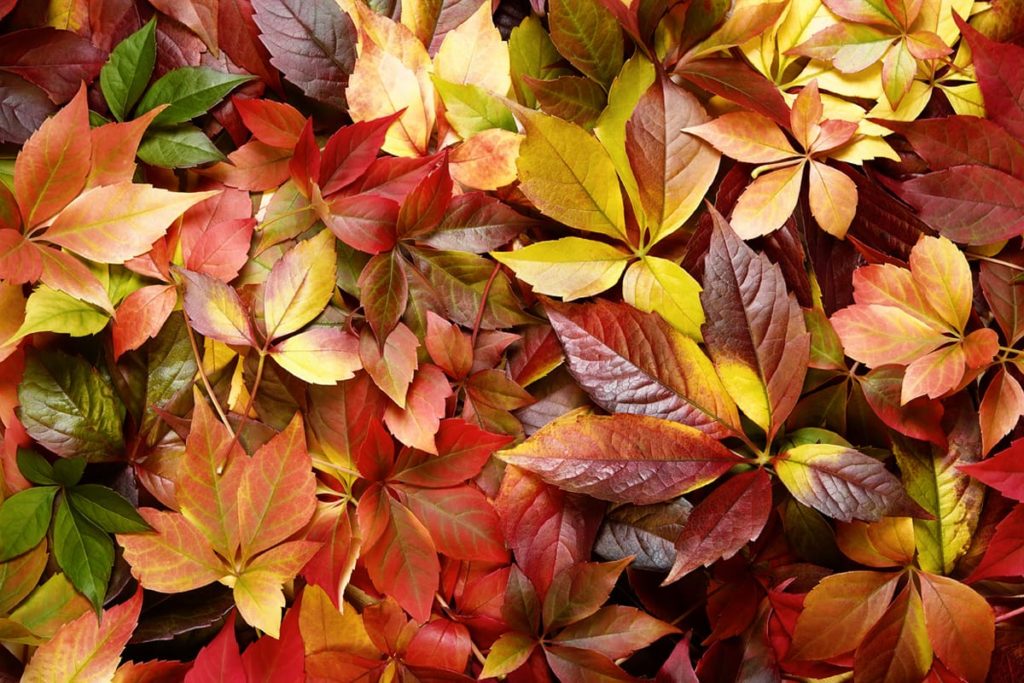 Seasonal transitions are the most important times to mind your health, as the shifting climate can lead to imbalances of the mind and body. Find out what you can do for a healthier fall!
In October, as the leaves start falling, nature starts to let go cuing that we need to as well! The transition from one season to another is called Ritusandhi in Ayurveda and is a vulnerable time when we need to be cautious about our health. In a couple of weeks, we move from the hot Pitta summer to the cool, windy fall Vata season.
Our digestion and immunity weaken, we may be prone to allergies and experience bloating, dryness, restlessness, anxiety or insomnia. In October, as the leaves start falling, nature starts to let go cuing that we need to as well!
This is a time to balance the residual impact of one Dosha and the onset and accumulation of the other. Pitta inflammation needs to be cleansed and Vata supporting principals incorporated. Otherwise a Vata-Pitta imbalance together causes a forest fire effect of ‘burning out’. As per Ashtanga Hridayam, the Ayurvedic root text, we need to discontinue the previous regimen gradually while slowly adopting new Dosha principles. The most important aspect of our self-care at this time is ‘Kaale Samshodhana’ or seasonal cleansing.
- Follow a routine and make sure you get enough sleep. Routines balance all Doshas, especially Vata.
- Eat local and seasonal foods. Your diet will include a blend of summer’s end and early fall crops during the transition. If you can visit your local farms and pick fresh produce, even better!
- Favor sweet tastes that pacify both Vata and Pitta. This doesn’t mean sugar and desserts
 The sweet taste in Ayurveda refers to naturally sweet foods like sweet fruits, root vegetables, greens, mung and smaller lentils, quinoa, rice and oats.
 - Avoid too many cold and raw foods, artificial sugars, white flour, processed food and start gravitating towards soups and stews.
- Stay hydrated. Sip warm water, ginger or CCF tea through the day. You can make your own CCF tea by blending equal parts of cumin, coriander and fennel seeds (ground or whole – about a teaspoon total per serving) and boiling in water for a few minutes. Strain and enjoy!
- Minimize pungent spices like chili, cayenne, cinnamon and paprika. Ginger is also pungent, so don’t overdo it. Favor cumin, coriander, fennel, cardamom, turmeric and asafoetida.
- Try grounding practices like meditation, gentle yoga, exercise and breathwork.
- Spend time in nature but make sure to bundle up on the chilly mornings!
- Get a daily or frequent warm self-massage or Abhyanga and try daily Nasya (application of a couple of drops of oil like Sesame or Anu Tailam in the nostrils) as advised by an Ayurvedic professional.
- Cleansing is the most important practice during the Fall transition as it alleviates current imbalances, shields against their recurrence and prevents future health disorders.
Comments
Post a Comment