In Ayurveda, there are urges to not resist and doing so is harmful to the body. An urge can be yawning, going to the bathroom, burping, sleeping, crying, etc. Holding in these urges can put stress on the body and interrupt proper detoxification processes. Every urge has a purpose that connects to helping movement and cleansing. We regenerate a lot during sleep, which is why the body has an urge for rest. We may need to cough to clear the throat or drink water for cellular hydration . Crying is an emotional urge that carries more importance than we may think. In the Vedic texts, there are the 13 urges to not resist, called vega dharana or vega vidharan: Belching, flatulence, bowel movements, urination, sneezing, thirst, hunger, sleeping, coughing, yawning, crying, vomiting and ejaculating. The Ashtanga Hridaya (Vedic text) also mentions the urge to heavily breathe after exertion. There are other urges that we can think of such as laughing, screaming or shouting in an urgent situation. O...

Scalp exfoliation is a simple yet efficient method to encourage your scalp's health and support optimal hair growth.
Have you ever wondered why your hair care routine is not giving you the desired results even after putting your time and effort into it? This may be because you are missing out on a crucial step i.e. scalp exfoliation. It helps remove dead skin cells, excess oil, and product buildup, creating an optimal environment for hair growth. In this article, we list the benefits of scalp exfoliation and how and when to do it.
Benefits of Scalp Exfoliation

According to the International Journal of Trichology, scalp care is crucial as it dictates the health and condition of the hair while also preventing scalp and hair-related issues.
- Dandruff Control: Exfoliating the scalp can help reduce dandruff by preventing the accumulation of dead skin cells and promoting a clean, balanced environment.
- Removal of Dead Skin Cells: Over time, dead skin cells can accumulate on the scalp, leading to flakiness and dullness. Exfoliation aids in removing these dead cells, contributing to the promotion of a healthier scalp.
- Prevention of Product Buildup: Shampoos, conditioners, and styling products can leave residue on the scalp, hindering the natural balance. Regular exfoliation helps remove product buildup, allowing the scalp to breathe and absorb nutrients more effectively.
- Enhanced Blood Circulation: Massaging the scalp during exfoliation stimulates blood flow, which, in turn, nourishes hair follicles. Improved blood circulation can play a vital role in promoting healthy hair growth.
How to Exfoliate Your Scalp
Choose the Right Exfoliant
You should opt for a gentle exfoliant specifically designed for the scalp. Look for ingredients like salicylic acid, glycolic acid, or natural exfoliants, such as sugar or salt.
Section Your Hair
Next, divide your hair into sections to ensure thorough exfoliation. This makes it easier to reach all areas of the scalp.
Apply the Exfoliant
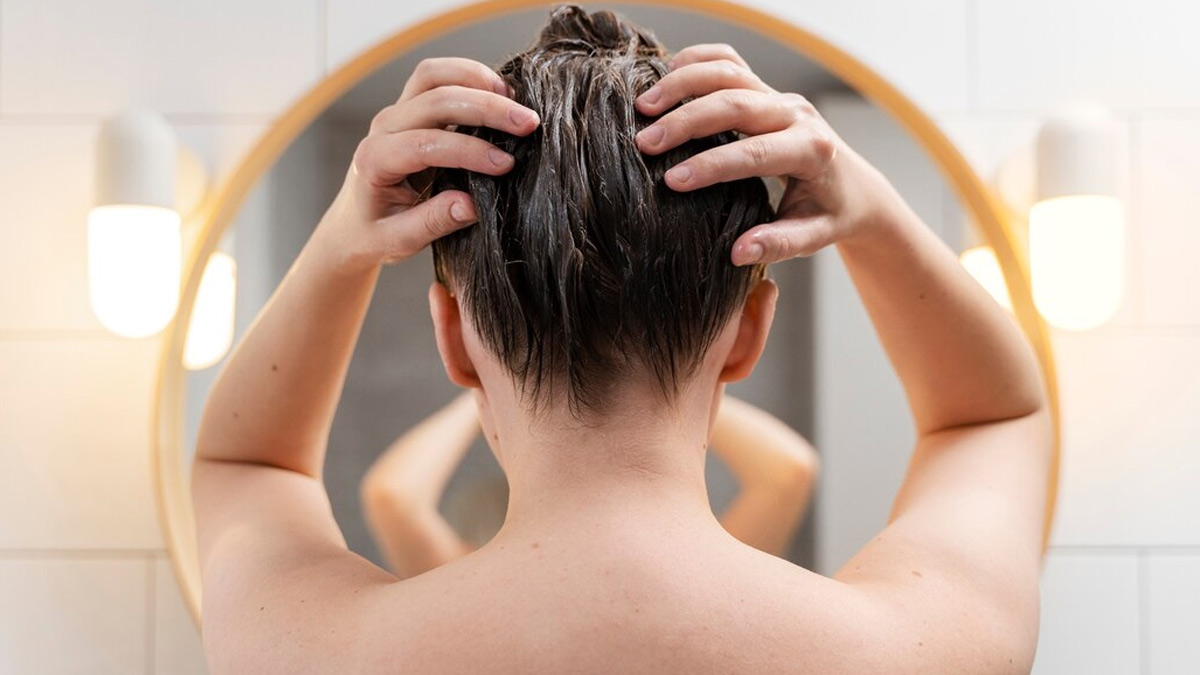
Apply the exfoliant directly to the scalp, focusing on areas that may need extra attention. Make gentle circular movements with your fingertips while massaging the product.
Massage the Scalp
The massaging action is a crucial part of the exfoliation process. It not only helps distribute the exfoliant but also stimulates blood flow. However, be gentle to avoid causing any damage to the scalp.
Rinse Thoroughly
After massaging, thoroughly rinse the exfoliant from your scalp. You can use a mild shampoo to ensure all residue is removed.
When to Exfoliate Your Scalp
Frequency
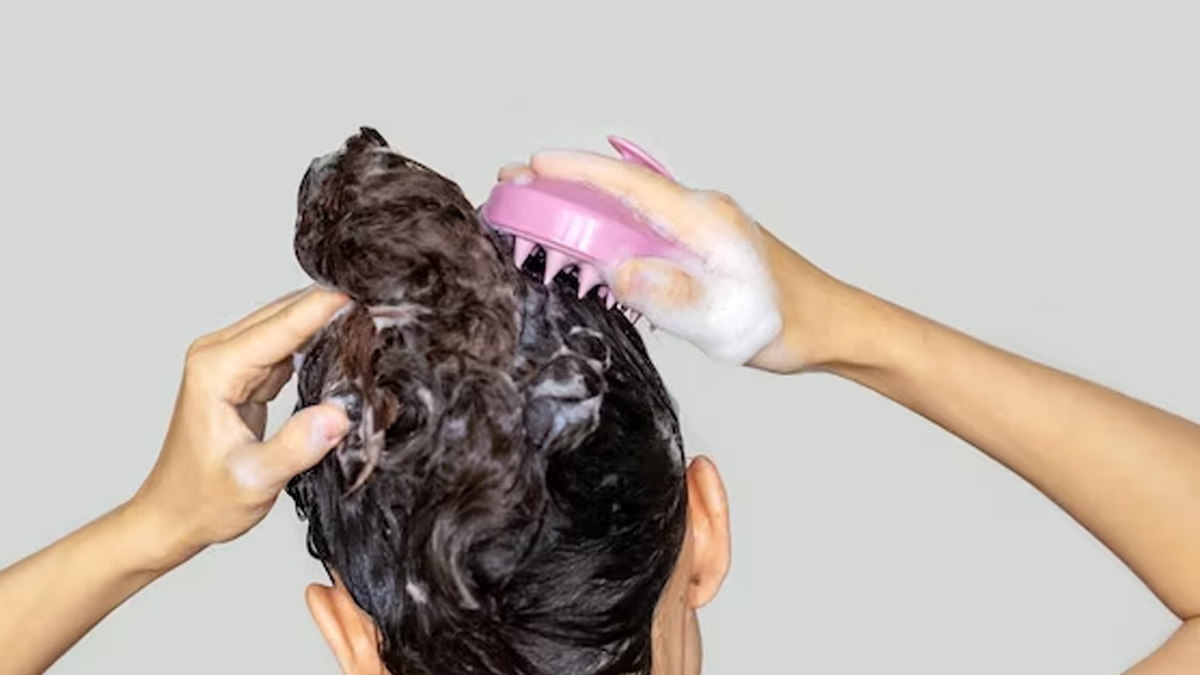
The frequency of scalp exfoliation depends on your hair type and specific needs. Most people can benefit from exfoliating once a week. However, those with oilier scalps may benefit from more frequent exfoliation, while individuals with sensitive scalps may choose to exfoliate less often.
Avoid Over-Exfoliation
While scalp exfoliation is beneficial, overdoing it can lead to irritation. You should pay attention to your scalp's response, and if you notice any signs of irritation, reduce the frequency of exfoliation.
Incorporate into Your Routine
Find a routine that works for you. Some may prefer to exfoliate before shampooing, while others may choose to do it in conjunction with their regular hair-washing routine.
Consider Environmental Factors 💇
If you live in an area with harsh water or are exposed to high levels of pollution, you may need more frequent scalp exfoliation to counteract the effects of external factors.
- Also Read :
4 Holistic Hacks For Healthy Hair

Comments
Post a Comment