Breast size and shape may vary greatly among different women. Although breast size doesn’t define health or femininity, it’s essential to understand the factors influencing breast development and the facts surrounding breast enhancement methods. It is important to embrace the natural shape and size of your breasts and avoid falling for misleading advertisements promoting hormonal pills and massage oils that claim to enhance breast size naturally. If someone wishes to change the shape or size of their breasts, medically speaking, breast augmentation surgery is an option. It is important to understand the potential risks associated with the surgery before making a decision. If you are searching for how to increase the breast size naturally on the internet then this article will help you with scientifically-supported information on breast health, surgical, and natural methods for breast enlargement and more valuable insights. Interesting Facts About Breasts Did you know that the left...
Unlock the power of mehendi for hair. Learn the mehndi benefits for hair, how to prepare and correctly apply this natural conditioner and dye, plus aftercare tips for the best results.
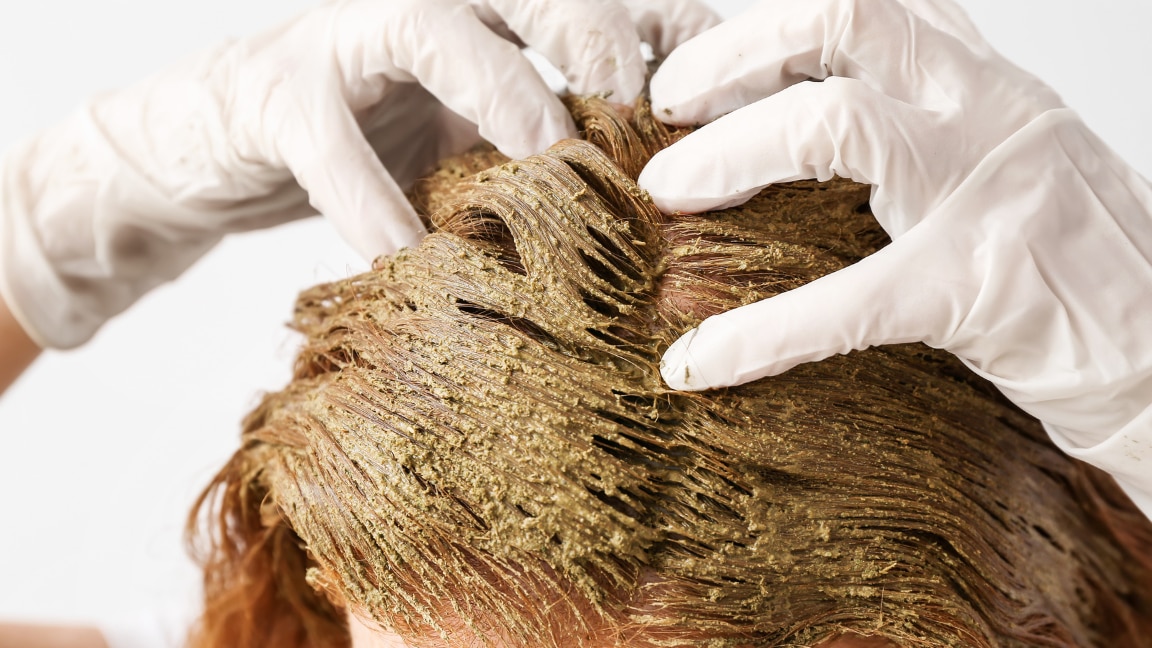
In the quest for vibrant, healthy, and naturally coloured hair, few remedies stand the test of time like mehendi, also known as henna. For centuries, this botanical wonder has been cherished across various cultures, not just for its stunning body art applications but primarily as a powerful natural remedy for colouring and strengthening hair. If you are asking yourself, is mehendi good for hair? The resounding answer is yes. It offers a gentle, plant-based alternative to harsh chemical dyes, providing deep conditioning and a rich, earthy tint.
01What Is Mehendi for Hair?
;Resize=(296))
Mehendi for hair is a potent natural dye derived from the dried and powdered leaves of the Lawsonia inermis plant. When mixed with a mildly acidic liquid, the dye molecule, lawsone, is released. This molecule binds to the keratin in your hair, creating a protective layer that strengthens the strand from root to tip. Essentially, henna mehndi for hair acts simultaneously as a long-lasting, natural dye and an intensive conditioner, adding body and shine without stripping the hair's natural oils.
02Benefits of Mehendi for Hair
;Resize=(296))
The list of mehndi benefits for hair is extensive, making it a beloved staple in natural hair care routines:
- Natural Colourant: Provides a rich, permanent reddish-brown colour that beautifully covers grey hair without the use of harsh chemicals like ammonia or PPD.
- Deep Conditioning: The lawsone molecule smooths the hair cuticle, sealing in moisture and leaving hair exceptionally soft and manageable.
- Strengthens Hair: By coating the hair shaft, mehendi adds density and thickness, reducing breakage and improving the hair's overall resilience.
- Promotes Scalp Health: It has natural anti-fungal and anti-microbial properties that help soothe an itchy scalp and control dandruff.
- Adds Shine and Volume: Regular application enhances the hair's natural lustre and gives it a healthy bounce.
- Balances pH and Oil Production: Mehendi can help regulate the oil production of the scalp, beneficial for those with excessively oily hair.
03How to Prepare Mehendi for Hair
;Resize=(296))
The secret to a perfect colour and conditioning treatment lies in learning how to prepare mehendi for hair correctly.
- Gather Ingredients: You will need pure, high-quality mehendi powder, a mildly acidic liquid (like strong black tea, coffee, or lemon juice), and an essential oil (such as eucalyptus or tea tree) for better dye release and scent.
- Mix the Paste: In a non-metallic bowl, gradually mix the liquid into the mehendi powder. The consistency should be similar to thick yoghurt—smooth, lump-free, and easy to spread.
- Soaking/Dye Release: Cover the bowl with cling film and leave the paste in a warm place. The paste should be soaked for a minimum of 6–8 hours (or overnight) to allow the lawsone dye to fully release. You will know it is ready when the top layer of the paste turns a darker shade of brown/red.
- Ready to Use: Just before application, stir the mixture and add a splash more liquid if the paste has thickened too much.
04How to Apply Mehendi on Hair
Following the correct steps on how to apply henna on hair ensures even coverage and maximum benefit:
- Preparation:
;Resize=(296))
Always apply mehendi to clean, dry hair. Wear old clothes and gloves to protect your skin and hands from staining. Apply a thin layer of petroleum jelly or oil around your hairline and ears.
- Sectioning:
;Resize=(296))
Divide your hair into four main sections (front, back, left, right) and pin them up. Work one section at a time.
- Application:
;Resize=(296))
Start from the roots of a small strand within your first section. Scoop a generous amount of paste onto your gloved hand and work it thoroughly into the roots, then coat the entire strand down to the tip. Ensure the hair is completely saturated.
- The Crown:
;Resize=(296))
Once a strand is covered, coil it into a tight bun on the crown of your head. Continue this process, adding each new, covered strand to the growing mehendi bun.
- Dye Time:
;Resize=(296))
Once all hair is covered, wrap your head tightly with cling film or wear a shower cap. This traps heat, which aids dye penetration. Leave the mehendi on for 2–4 hours for a rich colour and deep conditioning.
- Rinsing:
;Resize=(296))
Rinse the paste thoroughly with plain water. This may take some time. Avoid using shampoo immediately after rinsing.
05Common Mistakes to Avoid
;Resize=(296))
- Using Mehendi with Metallic Salts: Always use pure mehendi powder. Products containing metallic salts (often labelled "Black Henna") can react poorly with future chemical treatments.
- Not Soaking Long Enough: Insufficient soaking time prevents proper dye release, resulting in a weak colour and poor coverage.
- Washing with Shampoo Immediately: Shampooing straight after application can lift the dye molecule before it has fully oxidised and settled.
- Using Too Much Lemon Juice: While acidic liquid is needed, too much lemon juice can be drying to the hair.
- Applying to Dirty/Oily Hair: While mehendi can penetrate some oil, applying to clean hair ensures better, more uniform binding to the keratin.
06Types of Mehendi Mixes for Different Hair Needs
;Resize=(296))
You can enhance your mehendi for hair mix with other natural ingredients to target specific hair concerns:
- Mehendi for Grey Coverage: Mixing mehendi with Indigo Powder (a separate plant dye) can yield rich brown or black shades, effectively masking greys. Use a two-step process: mehendi first, followed by an indigo application.
- Mehendi for Smooth & Shiny Hair: Adding a tablespoon of yoghurt or an egg to the pre-soaked paste boosts the conditioning effects, leaving hair exceptionally smooth and shiny.
- Mehendi for Hair Growth: Incorporating Ayurvedic powders like Bhringraj and Amla into the mehendi paste strengthens the roots, reduces hair fall, and stimulates the scalp, complementing the overall effect of growth-promoting products like Indulekha Bringha Ayurvedic Shampoo.
07Mehendi Shades: What Colour to Expect
;Resize=(296))
Pure mehendi produces a shade that is completely dependent on your natural hair colour:
- On White or Grey Hair: A vibrant copper-orange to a deep red.
- On Light Brown Hair: A subtle red highlight or a deep auburn.
- On Dark Brown or Black Hair: The colour will not change significantly, but it will add a rich, deep reddish sheen and phenomenal conditioning.
08How Often to Apply Mehendi
;Resize=(296))
The frequency of your mehendi treatments depends on your desired outcome:
- For Grey Coverage: Every 3–4 weeks to cover new root growth. Focus the application only on the roots for touch-ups.
- For Deep Conditioning: Every 6–8 weeks for a general conditioning boost and to refresh the overall colour.
- For Hair Strengthening: Every 2 months to maintain the protective coating and improve hair density.
09Aftercare Tips for Mehendi-Treated Hair
;Resize=(296))
Proper aftercare is key to maximising the colour and conditioning effects:
- Post-Rinse Wait: Wait at least 48 hours before using any shampoo. This allows the mehendi colour to fully oxidise and deepen.
- Use Sulphate-Free Shampoo: Opt for mild, gentle, and sulphate-free shampoos to prevent the premature fading of your mehendi colour.
- Deep Conditioning: Mehendi is deeply conditioning, but occasional treatments with a mask, such as the Tresemme Keratin Smooth Deep Smoothing Mask, will keep your hair ultra-smooth and manageable.
- Oil Treatments: Apply a natural oil (like coconut or olive) the day after rinsing to help lock in the moisture and enhance the shine.
- Address Root Issues: If you are using mehendi for growth, continue to use targeted products like Indulekha Bringha Ayurvedic Shampoo between treatments to maintain a healthy scalp environment.
10Conclusion
Mehendi is much more than a simple dye; it is an age-old treatment that revitalises the hair from the inside out. By mastering how to prepare mehendi for hair and applying it correctly, you unlock the full spectrum of mehndi benefits for hair, ensuring your locks are not only beautifully coloured but also inherently stronger and healthier. Embrace this natural ritual and witness the transformation.
11FAQs
Q: Does mehendi dry out the hair?
A: Pure mehendi can sometimes feel slightly drying on the first day due to its protein-binding nature. This is why it is recommended to add conditioning agents like yoghurt, or follow up with an oil treatment and a deep smoothing mask.
Q: Can I use chemical dyes after using mehendi?
A: It is generally safe, provided you have used pure mehendi powder. However, there is a risk of unpredictable colour results. You must wait a few weeks and conduct a strand test first.
Q: How do I remove mehendi from my hair?
A: Mehendi is permanent and cannot be easily stripped. It fades very slowly over time. Frequent oiling and use of clarifying shampoos can speed up the process slightly, but it will not completely disappear.
Q: Can I use mehendi on chemically straightened or permed hair?
A: Yes, mehendi is generally safe for chemically treated hair and can help restore some of the damage. However, it is advisable to wait a few weeks after the treatment and always do a strand test.
https://www.bebeautiful.in/all-things-hair/everyday/mehendi-for-hair-benefits-and-how-to-apply
Lovely and informative post!
ReplyDeleteHair care routines truly play a major role in maintaining strength, shine, and overall scalp health. However, for individuals experiencing persistent thinning, receding hairlines, or visible bald patches, basic care may not always be enough. In such cases, exploring advanced solutions like Hair Transplant in Delhican offer a long-term and natural-looking transformation.
With modern techniques and improved recovery methods, many people are now choosing this option to regain both their hair and confidence in a safe and effective way.!