Breast size and shape may vary greatly among different women. Although breast size doesn’t define health or femininity, it’s essential to understand the factors influencing breast development and the facts surrounding breast enhancement methods. It is important to embrace the natural shape and size of your breasts and avoid falling for misleading advertisements promoting hormonal pills and massage oils that claim to enhance breast size naturally. If someone wishes to change the shape or size of their breasts, medically speaking, breast augmentation surgery is an option. It is important to understand the potential risks associated with the surgery before making a decision. If you are searching for how to increase the breast size naturally on the internet then this article will help you with scientifically-supported information on breast health, surgical, and natural methods for breast enlargement and more valuable insights. Interesting Facts About Breasts Did you know that the left...

There has been suspicion in the last few years of aluminum-containing antiperspirants being linked to higher risk of breast cancer and Alzheimer’s disease. While there seem to be more studies denying the link than confirming it, there are still many excellent reasons to make your own deodorant at home.
Firstly,
antiperspirants are made to stop you from sweating, which is one of the
most natural, healthiest things to do!
There is a false perception that the more you sweat, the smellier you
will be. However, it is not the actual sweat that makes you smell…It’s
the bacterium that live on your skin that digest what comes out of your
sweat. Besides deodorant, a healthy lifestyle and basic hygiene do more
to keep you smelling good than antiperspirants.
Secondly, making your own deodorant is
a great choice for the environment! With every batch you make, you are
preventing one more piece of plastic from polluting our ocean. You can
re-use the jars the hold your deodorant, or even upcycle an
empty deodorant applicator from a previous purchase.
Thirdly,
making your own products is empowering. Taking care of yourself does not
have to be something that is dictated to you by the products in our
marketplace. You can take hold of how you smell and the types of
substances you put on your body.
I have provided here three
different recipes for three different deodorants. Each recipe takes into
account different skin types, but you should feel free to mix, match,
and experiment however you wish. Coconut oil is a good general carrier
for the essential oils that give you the scent but it needs some beeswax
to help it stay a little more solid. Baking soda works to neutralize
odors but can be a little harsh for certain skin types. The shea butter
recipe accounts for sensitive skin. Shea butter needs a little help
being creamy, so I’ve added cocoa butter to soften it up, and replaced
the baking soda with milder arrowroot powder. Lastly, the witch hazel
recipe is for those of us who do not wish to mess with oil and are
looking for a simple solution while not having to worry too much about
skin drying out. I hope this helps you find the right solution for your body. Happy Crafting!

Coconut Oil Deodorant: for normal skin
Ingredients
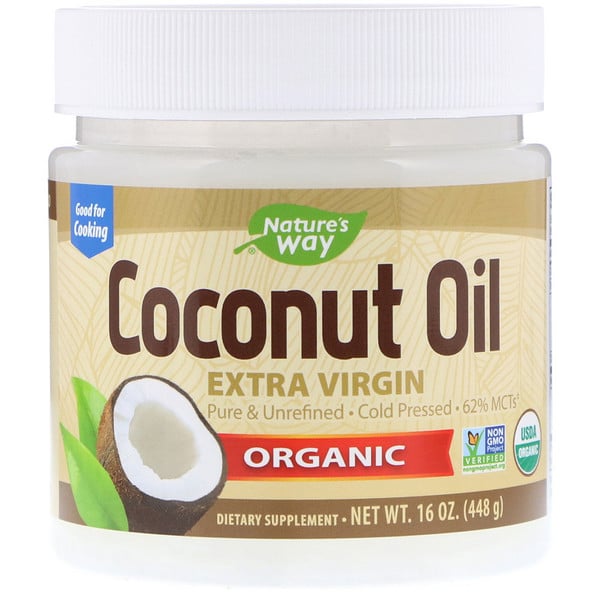
- 5 Tablespoons coconut oil
- 1/4 teaspoon beeswax
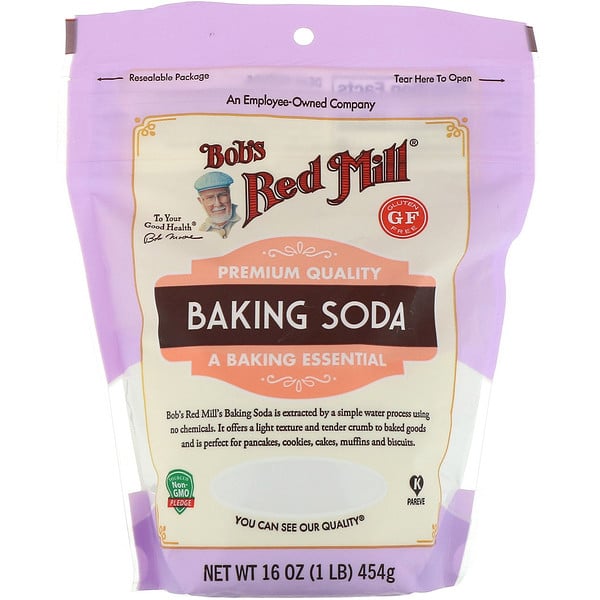
- 3 Tablespoons baking soda
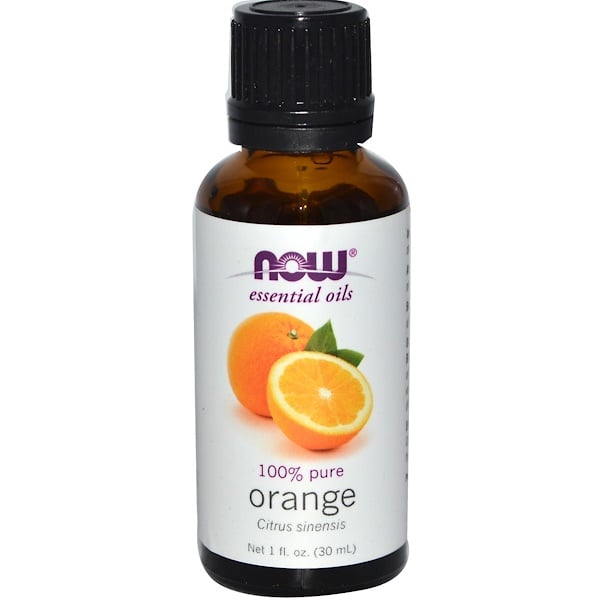
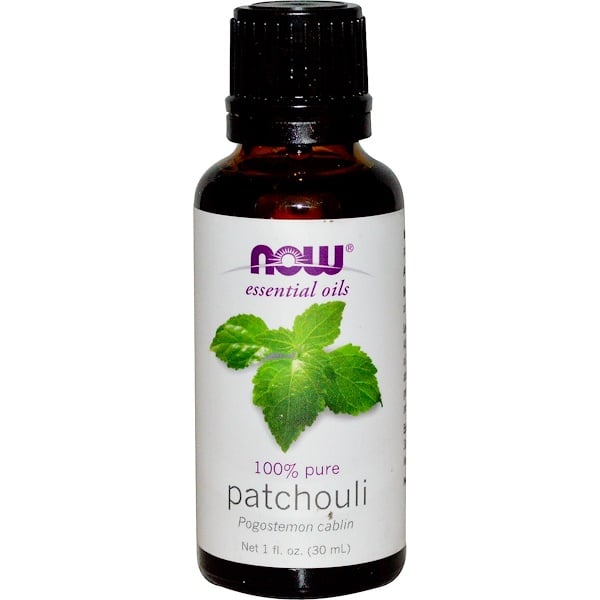
- 30 drops essential oils (suggested: patchouli, lime, orange, rosemary, sage)
Directions
- Take the first three ingredients and melt them together either in the microwave with a microwave safe glass container or a double boiler. Remove from heat once the oils and waxes are melted—be sure not to boil them!
- Take a whisk and whip the ingredients together until they are fully incorporated. For an extra good incorporation, whip the ingredients together in a blender.
- Add your choice of essential oils and stir to combine.
- Pour into your container of choice. You can use an empty deodorant applicator from a previous purchase if you would rather apply the deodorant without using your fingertips. (Deodorant applicators have a catchment level in them that you then use to push the stick up as it is used. Be sure that this level is rolled all the way to the bottom of the container before pouring in your batch of deodorant. Once the mixture cools, it will solidify just enough and you will be able to once again twist the bottom of the applicator, pushing the stick up as you use it. Did you know that deodorant applicators we re-useable this whole time?) If you feel good about applying the deodorant with your fingertips, then you can simply pour the mixture into a wide-mouthed jar to let it cool.
Shea Butter Deodorant: for dry and sensitive skin
Ingredients
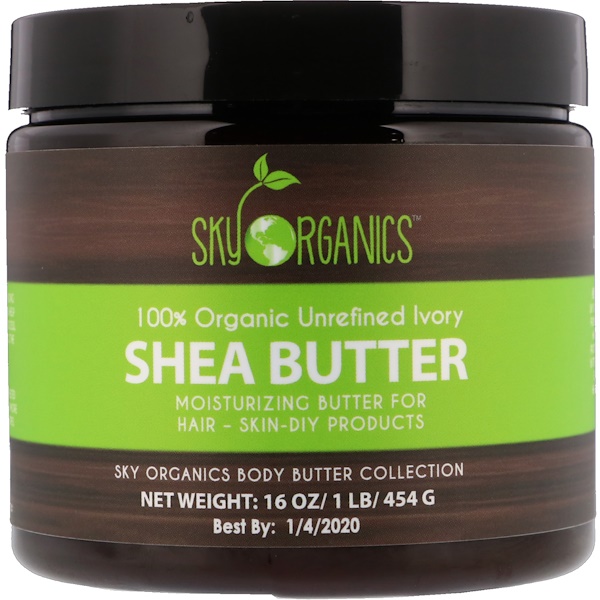
- 3 Tablespoons shea butter
- 2 Tablespoons cocoa butter
- 3 Tablespoons arrowroot powder
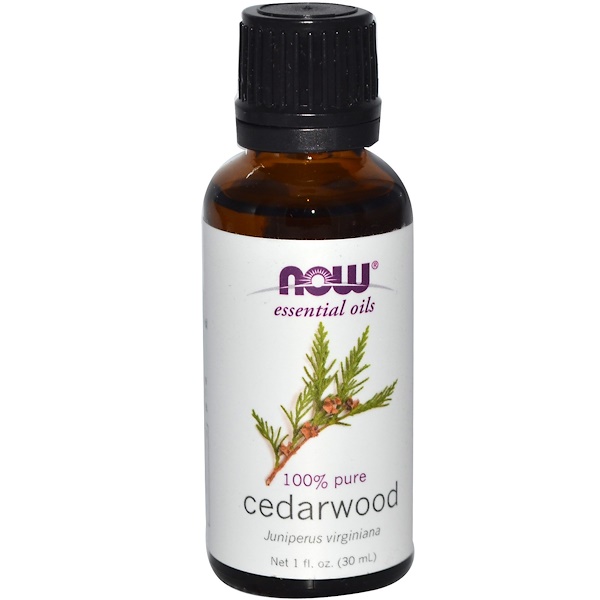
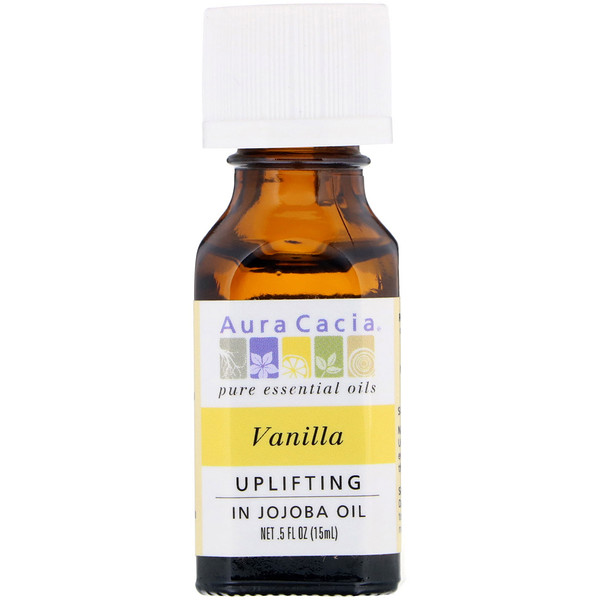
- 30 drops essential oils (suggested: cedar, ginger, vanilla, thyme)
Directions
- Take the first three ingredients and melt them together either in the microwave with a microwave safe glass container or a double boiler. Remove from heat once the oils and waxes are melted—be sure not to boil them!
- Take a whisk and whip the ingredients together until they are fully incorporated. For an extra good incorporation, whip the ingredients together in a blender.
- Add your choice of essential oils and stir to combine.
- Pour into your container of choice. You can use an empty deodorant applicator from a previous purchase if you would rather apply the deodorant without using your fingertips. (Deodorant applicators have a catchment level in them that you then use to push the stick up as it is used. Be sure that this level is rolled all the way to the bottom of the container before pouring in your batch of deodorant. Once the mixture cools, it will solidify just enough and you will be able to once again twist the bottom of the applicator, pushing the stick up as you use it. Did you know that deodorant applicators we re-useable this whole time?) If you feel good about applying the deodorant with your fingertips, then you can simply pour the mixture into a wide-mouthed jar to let it cool.
Witch Hazel Deodorant: for normal to oily skin
This
recipe is by far the most straightforward. The only thing you will need
is a misting spray bottle. You can buy empty versions of these or
search around the house to find one to repurpose. If you cannot find a
spray bottle, keeping this deodorant in a jar and applying it with your
fingers, a cotton wipe or a cloth will work just dandy!
Ingredients
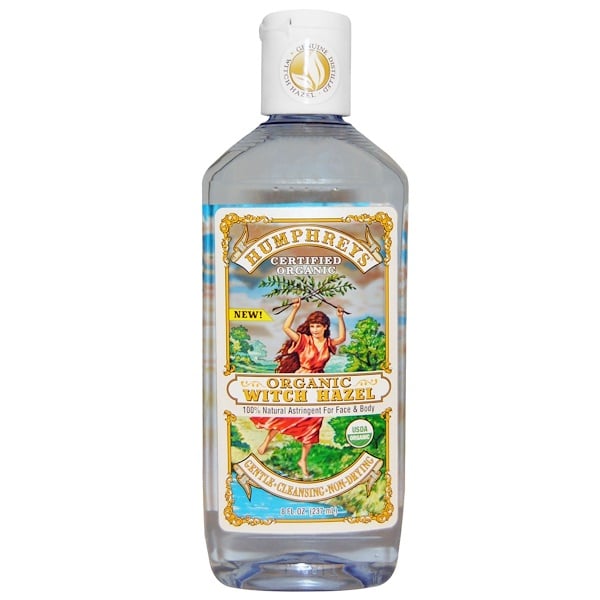
- 8 oz. witch hazel extract astringent
- 1 Tablespoon baking soda
- 60 drops essential oils (lavender, orange, rose, lemongrass, sage)
Directions
- Measure your witch hazel extract into your container.
- Add baking soda and shake until dissolved.
- Add essential oils.
- Shake the jar before each use to continue to emulsify the oils with the witch hazel.
Suggested essential oil combinations
- Orange and Patchouli
- Orange and Lavender
- Lemongrass and Rose
- Cedarwood and Sage
- Ginger and Vanilla
- Rosemary and Lime
Comments
Post a Comment