
Ayurveda & Facial Oils πŸ’†‍♀️πŸ’†‍♂️

Skin care is very important in Ayurveda because it can show if you are getting proper nutrients and can be a beautiful way to start a self-care regimen. We suggest taking care of your skin with natural products and oils. Each skin type is different and prevention of acne or rashes is easier to handle. When you start to get a glow to your skin you will feel healthy, vivacious, and confident. Be attuned to how much sun exposure you get. The sun can be great for your skin. However, too much unprotected exposure can lead to serious health issues. Lie in the sun before noon or late afternoon making sure to not in the heat of the day. Lie out for 10-15 minutes or at the most 30 minutes. This will improve the circulation in the skin and strengthen the skin tone. However, if you are prone to sunburn or are at a high altitude, limit your sun exposure . There is a misconception that oil is bad for your skin and gives you acne. In fact, a daily oil massage of you body and face keep your skin...

12 Ayurvedic Healing Foods to Add to Your Diet


According to Ayurveda these healing foods support a healthy body, stimulate its repair and rejuvenate.

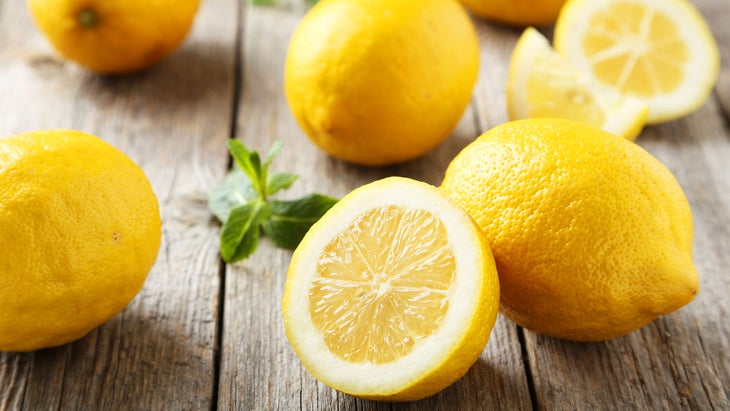
1. Lemons
None

Lemons are both purifying and nourishing, and they stimulate digestion. For reducing toxins, drink unsweetened lemonade as many times during the day as desired.

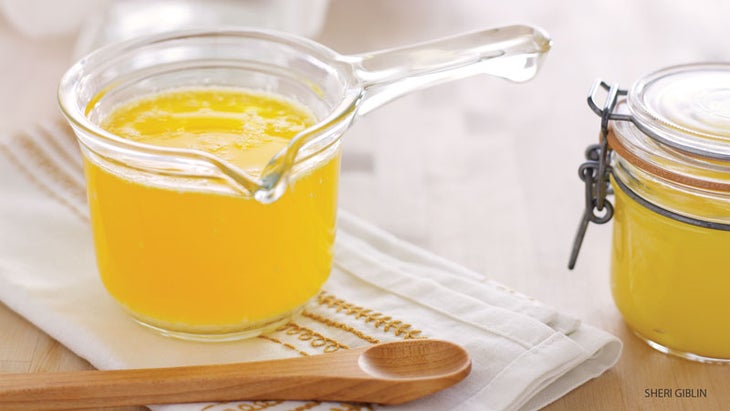
2. Ghee (clarified butter)
ghee

Ghee (clarified butter) is among the best rejuvenating and longevity-promoting foods. It aids digestion and calms the nerves. Ghee’s rate of absorption is high, making it an excellent medium for transporting the nutrients of other foods to the tissues.

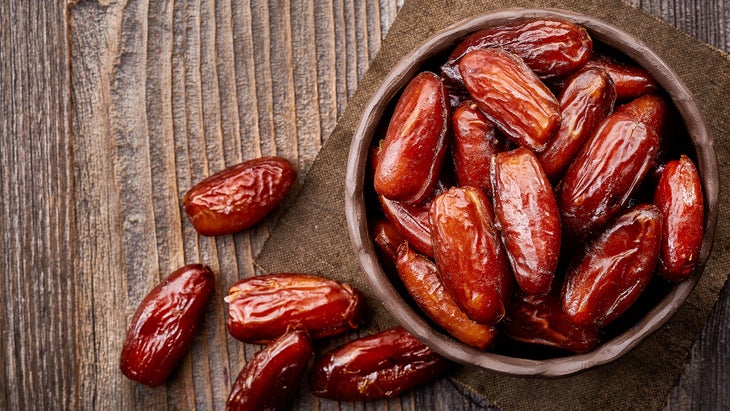
3. Dates and Figs
None

Dates and Figs are prized as excellent sources of energy. They also help build tissues. Eat one or two every day.

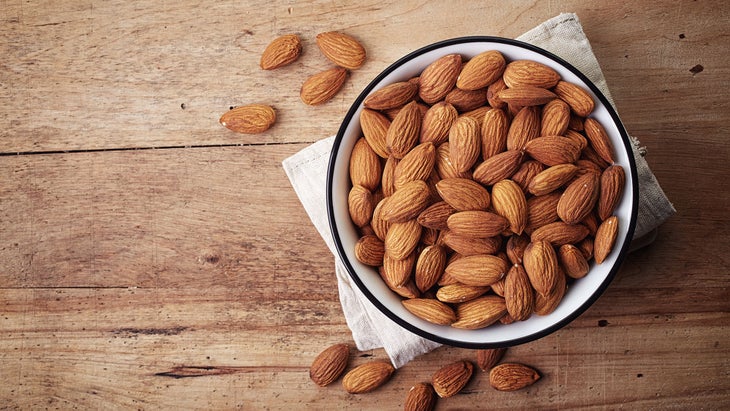
4. Almonds
None

Almonds are nourishing and life-supporting. Ayurveda recommends blanching and peeling almonds because their skins are slightly toxic. Eat several almonds daily to increase strength and energy.

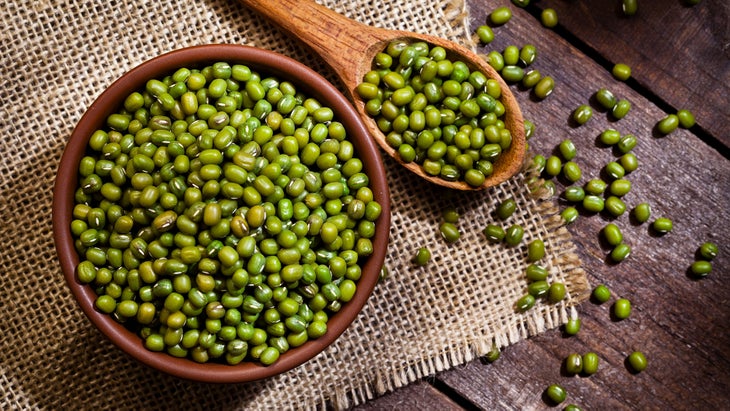
5. Mung Beans
None

Mung Beans are among the best legumes for their supreme digestibility and health-giving qualities. They are beneficial when people are sick or otherwise in need of very light food. Mung beans are particularly nourishing when mixed with rice or other grains.

6. Ginger
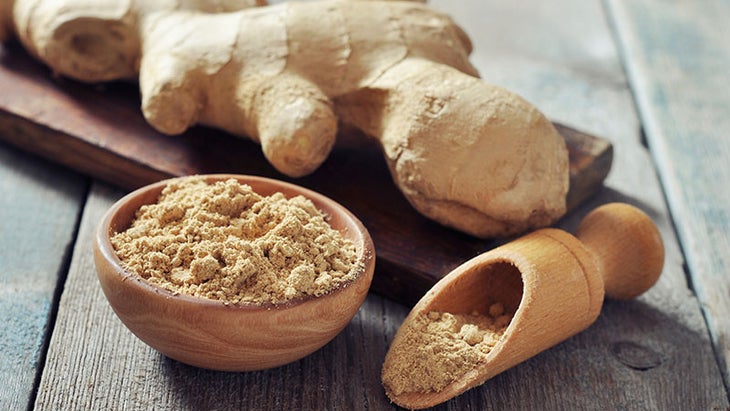
Ginger is often referred to as “the universal medicine.” It promotes good digestion and helps remove ama. Dried ground ginger is more concentrated in its flavor and its effects. To aid digestion, sprinkle a thin slice of fresh ginger with lemon juice and salt, and eat one-half hour before a meal.

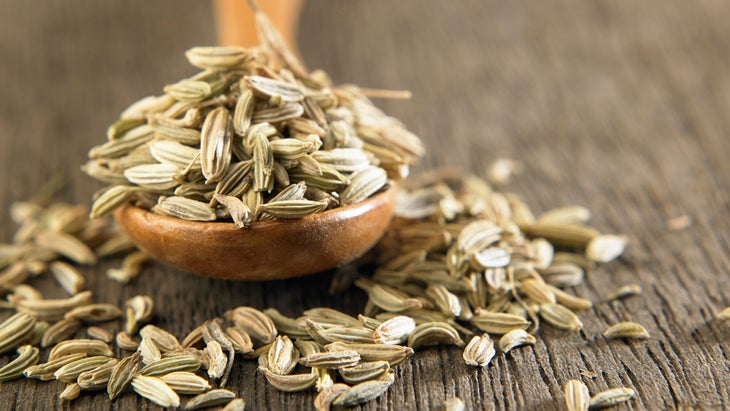
7. Cumin Seeds
None

Cumin Seeds serve as a digestive aid and alma-reducer for all doshas. To help remove toxins, start the day by drinking warm water mixed with a pinch of powdered cumin and ginger.

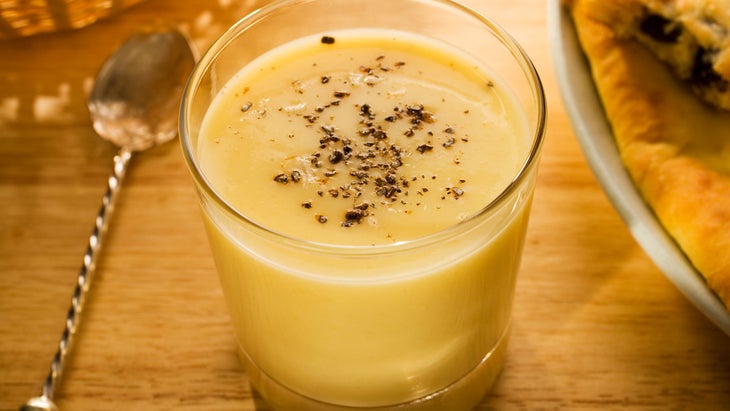
8. Lassi
None

Lassi is a beverage prepared by mixing one part yogurt into two parts water. It is an excellent nutritive digestive aid, taken during or after a meal. You can flavor lassi either with raw sugar or honey and a little ground cardamom, or with toasted ground cumin seeds and salt.

9. Juicy, Seasonal Fruits
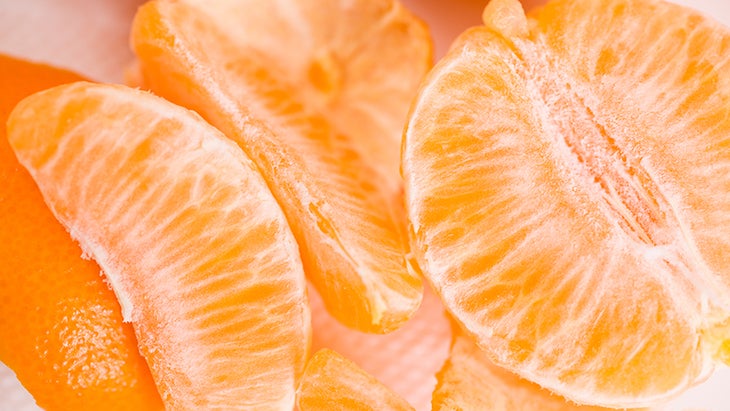
oranges, fruit, fascia

Juicy, Seasonal Fruits are both highly nutritive and purifying. Juicy fruits should be completely ripe for maximum healing value.

10. Green, Leafy Vegetables
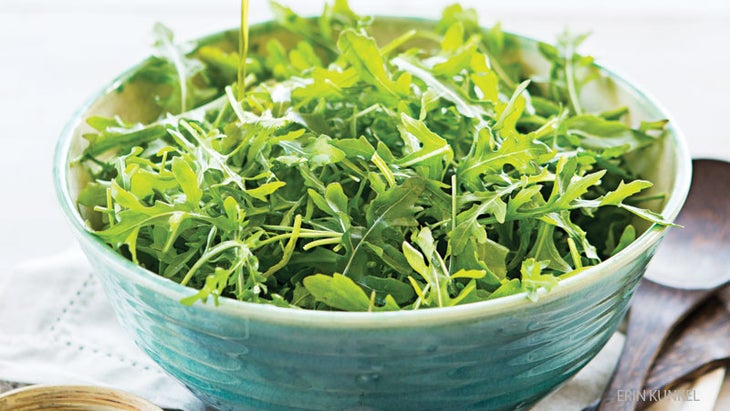
vegan challenge arugla salad

Green, Leafy Vegetables are both nutritive and purifying. Their bitter flavor stimulates the liver, helps balance blood sugar, and aids skin conditions. Prepare with a little ghee or oil.

11. Cow’s Milk
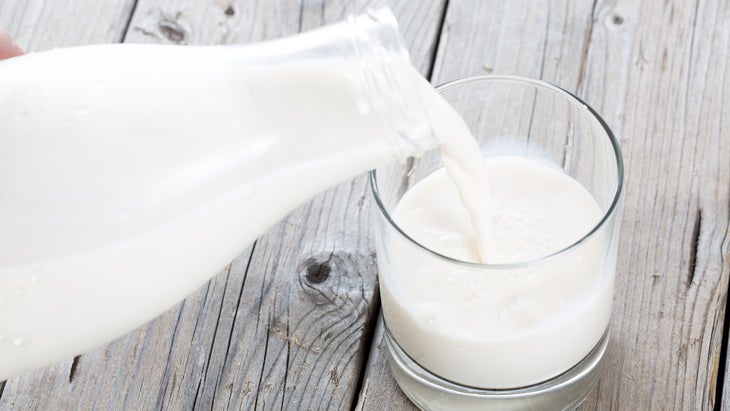
None

Cow’s milk is considered a vitalizer by Ayurveda and recommended for those emaciated after injury. Ayurveda recommends bringing milk to a full boil to remove the qualities that can cause excess mucus. To further reduce milk’s clogging qualities, add a pinch of ginger and/or black pepper. Also, milk should be imbibed separately from foods with any taste other than sweet.

12. Water

Glass of water

Water is universally beneficial for everyone, and assists virtually all healing. It promotes digestion and, when imbibed while hot, is particularly effective for removing ama.

https://www.yogajournal.com/lifestyle/food-diet/ayurvedic-healing-foods/

Comments

Popular posts from this blog

How can Ayurveda treat psoriasis?

Ayurveda is an ancient medical practice that some people try for psoriasis. It involves specific dietary habits, herbal compounds, and various other supportive practices. Psoriasis is an inflammatory condition that affects the skin, causing the excessive and rapid growth of skin cells. It can lead to the formation of thick, scaly plaques. Ayurvedic medicine involves ingredients that other medical disciplines have also used to treat psoriasis, such as  aloe vera  and  turmeric . While Ayurveda may be able to treat psoriasis in some people, researchers have not done large-scale clinical trials and systematic reviews to assess its safety and effectiveness. In this article, we look at the benefits of Ayurveda for people with psoriasis. We also examine the research into whether it offers effective treatment. Ayurveda and psoriasis A person with psoriasis could use Ayurvedic preparations on their skin. One of the most common topic...

Natural Home Remedies For Minor Burns πŸ”₯

Natural Home remedies for Burns The use of natural remedies given below can be highly effective in managing such minor burns. These remedies are aimed at promoting healing of the damaged skin tissues and minimizing pain. Raw Potato Raw potato can be used to treat minor skin burns. It possesses soothing properties, which help in providing relief from the burning sensation caused by burns. It also acts as an anti-inflammatory agent and reduces redness and inflammation of the skin. It can also reduce the chances of having blisters. Research has proved the beneficial effect of raw potato in the management of minor burns. The histological examination of the burnt area and clinical studies made on the comparable burn wounds treated with either peel of boiled potato affixed to gauze bandages or just gauze dressings showed that the patients treated with raw potato had a faster rate of recovery from the symptoms. It was found that the usage of the potato peel dressing eliminated or reduced desi...

Fruit Guide πŸ’πŸ“πŸπŸ…πŸ‹πŸπŸŽπŸπŸ‡πŸŒ

  You should include a variety of fruits in your daily diet. How to choose a variety of fruits? How much should you eat in a day? Let us talk about it in this guide. KEY RECOMMENDATIONS Variety:  Include a variety of fruits. Variety is key to health and maintaining the balance of dosha and nutrients in the body. Eat at least 2-3 different fruits daily. Choose fruits from different fruit categories. Local and Seasonal:  Choose fruits that are local and seasonal and widely available and grown in your country. Include Berries:  Berries are essentially important. You should try to include berries in your daily fruit plate. Find your native berries if not listed in this guide. Ripe and Uncooked:  Eat moderately ripe fruits, which are not processed, cooked or combined with other foods groups (except non-starchy vegetables). RECOMMENDED FRUIT SERVINGS You should consider your appetite, tolerance and metabolism to check how much you can eat and digest. According to the ...