Ghraybeh : Middle Eastern Shortbread cookies 🍪

Happy Eid ! Recipe : Ingredients: All purpose flour (Maida)-2 cups (260g) Powdered sugar -150g ( powder 3/4 cup granulated sugar) salt - 1 pinch ( forgot to show in the video) Ghee -150g ( can be replaced with butter, but ghee is the best). Method: 1. whisk the ghee for 1 minute. 2. Add the powdered sugar and whisk untill creamy. Add the salt. scrape in between for even mixing. 3. Add the flour in batches and knead until a dough is formed. 4. Cover and keep refrigerated for 1 hour. 5. After 1 hour take it out from refrigerator. 6. Take small portions and shape as shown in the video. place pistachio or almond on top. 7. Preheat the oven at 160°C for 10 minutes.Bake the cookies at 160°C for 15-18 minutes. Do not over bake. over cooking make cracks on the cookies. 8. Let it cool completely.

Vata & the Subdoshas 💨

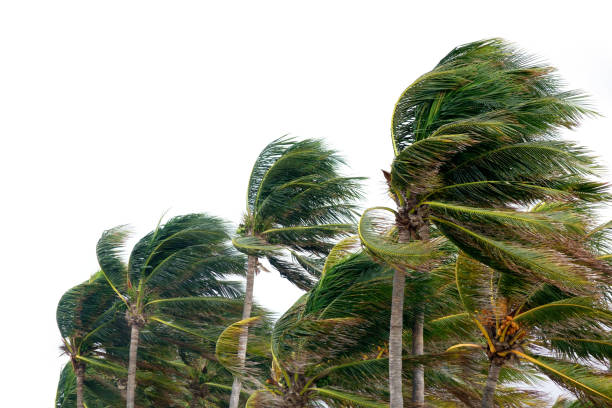
This week we are talking all about Vata! It is Vata season, which means it is mostly cold, dry and mobile (wind) in the weather patterns. It is important to keep this dosha in balance and in its proper seat to avoid production and accumulation of toxins. Vata dosha is a combination of the air and ether elements. This represents action, movement and transportation. The qualities of Vata are dry, light, cold, rough, subtle and mobile. Vata is in our movements, actions, breathing, speech, detox, heart pumping and sense of touch. It is the kindler of digestive fire, opener of cell walls and channels, and develops and delivers babies. The seat of Vata is in the abdominal cavity bellow the belly button in the large intestine and colon. It is also in the pelvis, thighs, skin, ears, bones, heart, brain, nervous system and lungs.

Each dosha (Vata, Pitta & Kapha) all have 5 subdoshas that exist. Each of these subdoshas represents the five elements (ether, air, fire, water, earth) that tie in to the complexity of each dosha. The 5 subdoshas of Vata are also referred to as the five vayus.

Prāna Vayu: Ether. Downwards & inwards movement. Head to navel.

Location: Brain, lungs, heart, throat, tongue, nose and ears.

Higher cerebral function, inhalation and intake of substance. Energy that drives our life force. Heightened vitality and sensitivity.

Chakra: heart & third eye

Herbs: brahmi, gotu kola, tulsi


Udāna Vayu: Air. Upwards movement- diaphragm to lungs and throat to brain.

Location: Mainly in the chest, moves from the navel to the heart, lungs, throat and brain. 

Exhalation of carbon dioxide. Growth of body, standing, speech and will. Growth in consciousness and deep sleep into deep realms.

Chakra: throat 

Herbs: licorice, ashwagandha


Samāna Vayu: Fire. Inwards movement- moves linearly from periphery to center.

Location: Stomach, small and large intestine, liver, pancreas and spleen.

Stimulates secretion of digestive juices and liver enzymes. Balancing force that creates hunger.

Digestion on all levels- food/mental/sensory. Creates trunk of body. Love, true self, peace, atman (soul) as fire within, helps one return to core of being

Chakra: solar plexus

Herbs: ajwan, hingvastak, ginger


Apāna Vayu: Earth. Downward and outward movement.

Location: Colon, pelvic cavity, pelvic organs and kidneys.

Responsible for conception and force in childbirth. Osteoporosis is disorder of apana.

Chakra: sacral & root

Protects from negative astral influences and false teachers. Eliminates negative experiences. Deep groundedness.

Herbs: triphala, ghee, haritaki


Vyāna Vayu: Water. Outward circular movement of energy- from center (navel) to periphery and entire body.

Location: Heart, circulation, movement of joints and muscles through neural pathways. Creates limbs. Keeps clear channels and expands energy field

Chakra: solar plexus & whole body

Herbs: arjuna, sesame oil, black pepper

Each vayu plays in important role in the flow of Vata dosha in the body. Disorders below belly button have to do with apana, at the belly button are samana, and above belly button are prana. There are herbs, pranayama, yoga and meditation that address each of these 5 vayus, working to get the internal winds to go in the right flow and direction. The herbs listed above are for reference; please consult an herbalist or health practitioner before heavy use of any strong herbs. Remember to eat warm nourishing foods and oleate the body. Refer to our past articles for more tips on autumn self care! May we stay in balance in this current time of strong Vata season.

https://santacruzayurveda.com/vata-the-subdoshas/

Comments

Popular posts from this blog

Natural Home Remedies For Minor Burns 🔥

Natural Home remedies for Burns The use of natural remedies given below can be highly effective in managing such minor burns. These remedies are aimed at promoting healing of the damaged skin tissues and minimizing pain. Raw Potato Raw potato can be used to treat minor skin burns. It possesses soothing properties, which help in providing relief from the burning sensation caused by burns. It also acts as an anti-inflammatory agent and reduces redness and inflammation of the skin. It can also reduce the chances of having blisters. Research has proved the beneficial effect of raw potato in the management of minor burns. The histological examination of the burnt area and clinical studies made on the comparable burn wounds treated with either peel of boiled potato affixed to gauze bandages or just gauze dressings showed that the patients treated with raw potato had a faster rate of recovery from the symptoms. It was found that the usage of the potato peel dressing eliminated or reduced desi...

Spring Detox Smoothie

When spring arrives, I can't help but think about cleaning up my eating habits. After all, spring detox is a thing (along with spring cleaning, which technically is a detox for your home). That's why I’m sharing with you a smoothie packed with nutrients your body will love. Drink it in the morning and you'll give your body a much-needed boost of energy to get you through the day. Ingredient Breakdown: Why Each One Matters  Before I get to the actual recipe, I'd like to shine the spotlight on each individual ingredient used in this smoothie. You'll quickly see why this is a great spring detox smoothie worth drinking. Green Tea Not only is  green tea tasty to drink on its own, but it's also full of health benefits. It's high in antioxidants and contains a large amount of catechins, polyphenolic compounds that are thought to exert numerous protective effects, ...

How can Ayurveda treat psoriasis?

Ayurveda is an ancient medical practice that some people try for psoriasis. It involves specific dietary habits, herbal compounds, and various other supportive practices. Psoriasis is an inflammatory condition that affects the skin, causing the excessive and rapid growth of skin cells. It can lead to the formation of thick, scaly plaques. Ayurvedic medicine involves ingredients that other medical disciplines have also used to treat psoriasis, such as  aloe vera  and  turmeric . While Ayurveda may be able to treat psoriasis in some people, researchers have not done large-scale clinical trials and systematic reviews to assess its safety and effectiveness. In this article, we look at the benefits of Ayurveda for people with psoriasis. We also examine the research into whether it offers effective treatment. Ayurveda and psoriasis A person with psoriasis could use Ayurvedic preparations on their skin. One of the most common topic...