Also check : An Ayurvedic Approach to Anxiety 10 Things You can Do To Treat Depression & Anxiety Anxiety in Ayurveda 😟
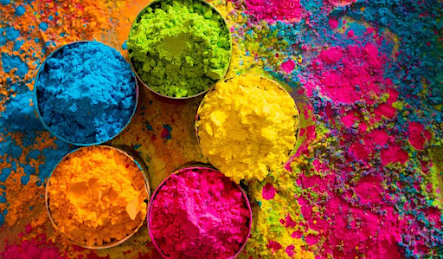
“Look yonder, on that hilltop and down the dale; it’s Holi announcing its arrival. The enthused Kachanara, exploding with violet and pink blossoms seems to welcome it with a profusion fit to capture on canvas.”
-Anonymous
The festival of Holi is the most vibrant and colorful of all festivals. Marking the end of Winter and welcoming the Spring season in India, Holi in many ways is a celebration of nature’s bounty..
In ancient times, the colours used for the festival of Holi were always made from natural ingredients including Turmeric, Neem, Sandalwood or Tesu flowers. The colours extracted from these ingredients were not only beautiful, these 100% natural colours for Holi also exhibited beneficial healing properties as per Ayurveda, when applied on the skin. The playful pouring and throwing of pure natural coloured powders and water prepared with these natural ingredients added vibrancy and beauty to the skin, and each of these colours also had a meaningful connotation that they symbolized when used.
At Forest Essentials, if we could we would turn back the hands of time to this era of simplicity and beauty. While we cannot travel back in time, here are some of our tips for playing a safe yet colourful Holi with natural colours and their connotations.
Ravishing Reds
The red color is considered the most significant colour of Holi, used as offering to the Gods on the day of Holi. The vivid colour signifies energy, excitement, ambition and most importantly auspiciousness.
Here is how to prepare a ravishing bright red Gulaal with natural ingredients:
• Red Sandalwood powder ((Pterocarpus santalinus), also known as Raktachandan or Lalchandan has a beautiful red color, which is beneficial for the skin. Add this powder to five litres of water and leave to boil. You may also add peels of Pomegranate to this for a stronger red colour. This can be used to prepare red Gulal.
Red Hibiscus flowers can be kept to dry in the shade and then powdered to make a lovely red colour. Add some freshly ground wheat flour to the powder in the proportion to the vibrancy of the color you want to obtain.
Garden Greens
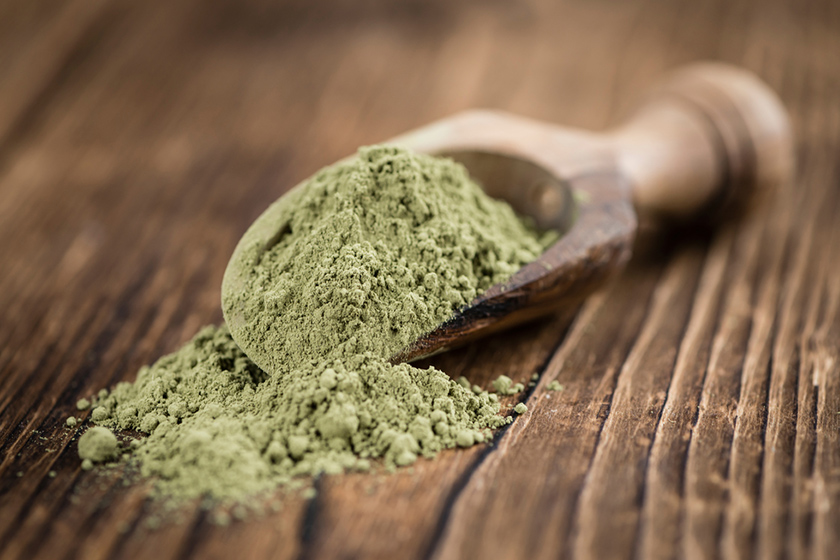
The Green colour depicts life and nature. It also represents pride, positivity, freshness, and coolness.
Here is how you can prepare a Green powder for Holi:
• Dry Mehendi powder is easily available and will not leave color on your face, as it can be easily brushed off.
• You may also take the leaves of the Gulmohar tree, dry and finely powder these for a leafy green colour.
• You can also prepare a fine paste using the leaves of Spinach (Palak), Coriander (Dhania) and Mint (Pudina) in water.
Marvelous Magentas
Magenta is known as the colour of universal love, compassion, kindness and cooperation.
For a marvelous Magenta colour:
• Slice or grate one Beetroot. Soak in 1 liter of water and leave overnight for a deep shade. Dilute with more water as required in the morning.
Sparkling Saffron
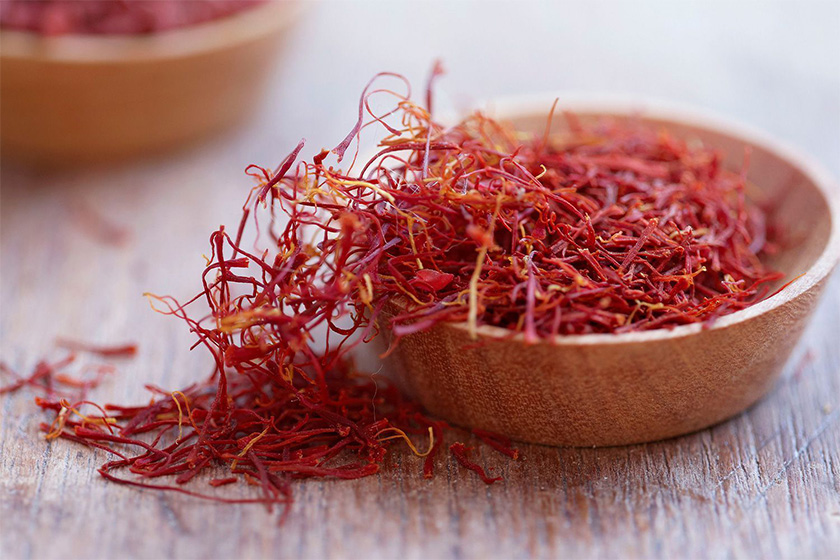
The colour of the Sun, this beautiful hue represents a new day, new beginnings, progress, spiritual path, and the attainment of knowledge.
Here is how to prepare Sparkling Saffron with natural flowers this Holi:
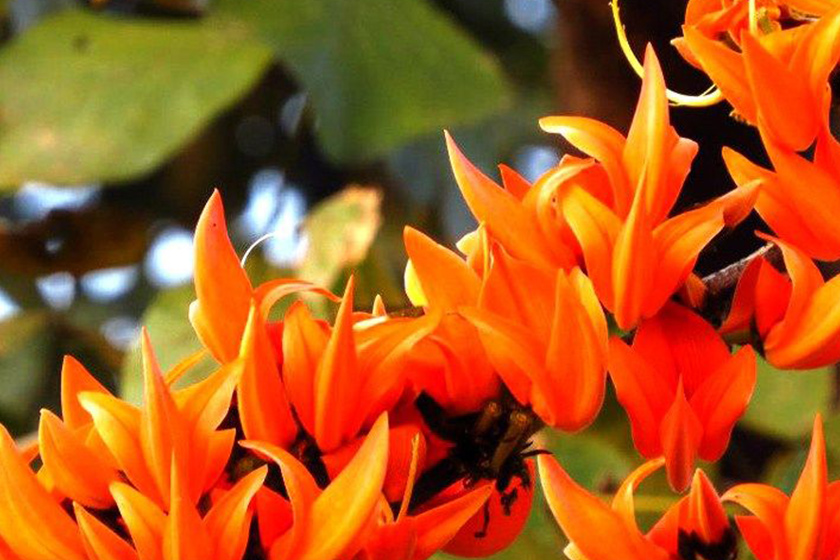
The Flame of the Forest (Butea monospermous), known locally as Tesu or Palash, is one of the most well-known sources of the traditional colour used during Holi. The flowers can be soaked overnight in water and can also be boiled to obtain a fragrant saffron colored water.
• Alternatively, soak a few threads of Saffron (Kesar) in 2 tablespoons of water. Leave for a few hours and then grind to make a fine paste. This paste can then be diluted with more water for the desired colour.
Dazzling Yellow
The bright yellow color is everyone’s desired colour on the festival of Holi for it depicts prosperity, brilliance, energy and peace. Make your own stunning and bright yellow colour for Holi, with natural ingredients:
• Add one teaspoon of Turmeric, or Haldi to two liters of water and stir well. This can be boiled to increase the concentration of color and then be further diluted.

• If you’re concerned about the yellow colour of regular Turmeric staining the skin you may instead opt for the following recipe with Kasturi Turmeric (Haldi). Mix two teaspoons of the Kasturi Haldi powder with double the quantity of Gram flour (Besan). Instead of using regular Turmeric, Kasturi Haldi gives a lighter shade of yellow and thus does not stain the skin, it also has more enhanced therapeutic effects than its counterpart.
• Another recipe to make your own yellow colour is by using the flowers of Amaltas, Marigold, and Yellow Chrysanthemums, each of which yield different shades of yellow. Dry the fresh petals of these flowers under the shade, then crush them to obtain a fine powder. Take an appropriate quantity of the floral powder and mix it with Gram flour (Besan) or Lentil powder. You may also oil these flowers in water and leave to soak overnight.

Bright Blues
Known in India as the colour of Lord Krishna, the auspicious blue color also represents the water element and signifies affection, faith, and spiritual growth.
For a bright blue:
• The Jacaranda flowers (Neeli gulmohar) bloom in the Indian Summer. These can be dried in the shade and hand-ground to obtain a beautiful blue powder for Holi.
• Alternatively, you may crush the berries of the Indigo tree and add to water, boil to obtain the desired color strength. In some Indigo species, the leaves when boiled in water also yield a rich blue hue.
Dr. Taruna Yadav
Senior Ayurveda Expert, For Forest Essentials
Shop Forest Essential Gifts from
Know more about the magic created by colors and herbs 💛💜💙❤💚 from :
https://ayurveda-by-nelly.blogspot.com/2022/03/know-magic-of-colors-herbs-this-holi.html
Comments
Post a Comment