In Ayurveda, there are urges to not resist and doing so is harmful to the body. An urge can be yawning, going to the bathroom, burping, sleeping, crying, etc. Holding in these urges can put stress on the body and interrupt proper detoxification processes. Every urge has a purpose that connects to helping movement and cleansing. We regenerate a lot during sleep, which is why the body has an urge for rest. We may need to cough to clear the throat or drink water for cellular hydration . Crying is an emotional urge that carries more importance than we may think. In the Vedic texts, there are the 13 urges to not resist, called vega dharana or vega vidharan: Belching, flatulence, bowel movements, urination, sneezing, thirst, hunger, sleeping, coughing, yawning, crying, vomiting and ejaculating. The Ashtanga Hridaya (Vedic text) also mentions the urge to heavily breathe after exertion. There are other urges that we can think of such as laughing, screaming or shouting in an urgent situation. O...

There’s
nothing more disappointing than cooking a beautiful meal, only to find
out that the flavors are bland. Sometimes, there’s just
something simple missing that could turn the dish into something
special.
With springtime fast approaching, let’s look at the spring ingredients that can give your next brunch or dinner an incredible burst of flavor.
Half of the battle is knowing what ingredients are in season. Once you have an idea of what you’re working with, you can start planning some amazing recipes. Whether it’s a common ingredient only available in spring, or the latest superfood, here are our picks.
If you’re vegetarian or vegan, they make a great substitute for ground beef. Chickpea tacos are excellent, for example, if you roast them in a skillet and season accordingly. Mashing them up and making patties can also make for some great chickpea burgers.
It can substitute the place of white rice or pasta in soup. It has a lot of fiber and protein, which makes it a great alternative to give your meal some extra nutrition.
Because they’re small, you can even grow them at home. A small tray with soil and seeds can work in a sunlit window.
Along with that flavor, you’re also getting low sugar and calories. Rhubarb is a great source of vitamin K, accounting for 45% of your daily needs. It also contains vitamin C, manganese, calcium, and potassium. It can even lower blood pressure and relieve indigestion.
Consider some of these options:
Throw some asparagus into a salad or stir-fry as well if you want to add a satisfying crunch. Asparagus is a great provider of folic acid for the body. Expecting mothers should incorporate some of this veggie into their diet.
Strawberries pack a nutritional punch with antioxidants that can reduce inflammation, prevent a variety of diseases, and even help you manage your weight. You can chop them up and enjoy them in a bowl of cereal or oatmeal, or even make a fruit salad.
Which springtime ingredients do you always incorporate into your seasonal dishes? Let us know in the comments!
Kosta Miachin
https://basmati.com/2018/02/23/7-simple-spring-ingredients-spice-your-next-meal
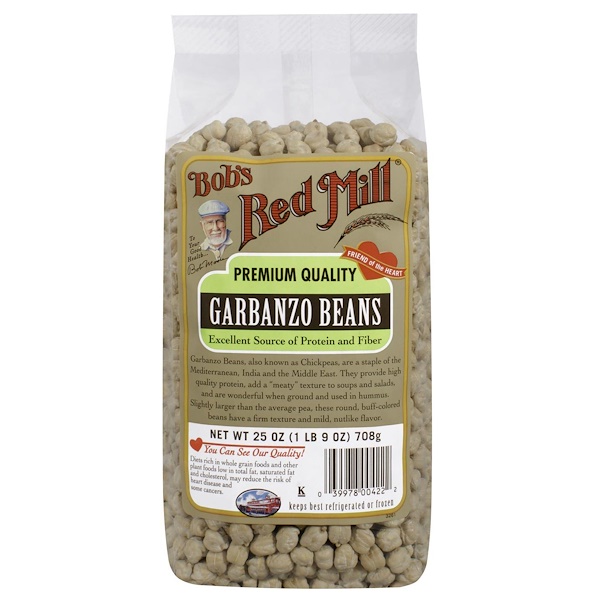
Get Bob's Red Mill, Garbanzo Beans
Get Annie's Naturals, Organic BBQ Smokey Maple Sauce

With springtime fast approaching, let’s look at the spring ingredients that can give your next brunch or dinner an incredible burst of flavor.
Half of the battle is knowing what ingredients are in season. Once you have an idea of what you’re working with, you can start planning some amazing recipes. Whether it’s a common ingredient only available in spring, or the latest superfood, here are our picks.
1. Chickpeas
Chickpeas, also known as garbanzo beans, are an extremely versatile ingredient. They’re most commonly used to make hummus, but you can use them for a lot of other options. Throw some in a salad, soup, or any other recipe.If you’re vegetarian or vegan, they make a great substitute for ground beef. Chickpea tacos are excellent, for example, if you roast them in a skillet and season accordingly. Mashing them up and making patties can also make for some great chickpea burgers.
2. Farro
Farro has just recently made its debut in mainstream cooking, but this grain dates all the way back to ancient Egypt. It was used in a variety of Roman and Egyptian dishes thousands of years ago. Today, it’s used in Italian dishes and many U.S. dishes as well.It can substitute the place of white rice or pasta in soup. It has a lot of fiber and protein, which makes it a great alternative to give your meal some extra nutrition.
3. Microgreens
Baby greens, or microgreens, are spring vegetables that are picked before they are full grown. They may be small in stature, but they have a tender texture and tons of flavor. They can spice up a salad or offer a great splash of color and flavor on a sandwich.Because they’re small, you can even grow them at home. A small tray with soil and seeds can work in a sunlit window.
4. Rhubarb
Rhubarb, beyond being a fun word to say, is a vivid red plant with a tart flavor. Spring is the perfect season to pick up this gem of an ingredient. You can use to make pies, muffins, chutney, and even drinks. It really is amazingly versatile—you can even make barbecue sauce with it!Along with that flavor, you’re also getting low sugar and calories. Rhubarb is a great source of vitamin K, accounting for 45% of your daily needs. It also contains vitamin C, manganese, calcium, and potassium. It can even lower blood pressure and relieve indigestion.
5. Herbs & Spices
The secret to a great dish is proper seasoning. Salt and pepper are staples, but true flavors are found with herbs and spices. Thankfully, spring is a perfect season to start growing or collecting your herbs and spices for dishes that taste great year-round.Consider some of these options:
- Basil: The leaves are great in soups, in sauces, in salads, and with meat. It’s also a traditional base for pesto.
- Chives: These have a mild onion flavor. Chop them up and add them to salads, eggs, mashed potatoes, and sauces.
- Coriander: The dry seeds can be ground into dust and used on pork or ham before cooking. The leaves are known as cilantro, which is a key ingredient in salsas.
- Dill: It has a sharp flavor that can be used to season fish, soups, salad, potatoes, and eggs. It’s also an ingredient in ranch dressing.
- Fennel: The leaves here have a sweet flavor. Great for veal, or soups.
- Mint: Mint leaves are excellent in tea or cold drinks. They can also be used in sauces or jelly.
- Parsley: A classic ingredient in salads, soups, stews, parsley always makes a great garnish.
- Thyme: The chopped leaves of thyme can be used on meats before cooking. It’s also great in eggs, soups, stuffings, and rice.
6. Asparagus
Asparagus is a popular spring vegetable that is excellent when seasoned and grilled to perfection. You can also roast it in the oven if you prefer. Asparagus makes a great side dish with meats like steak, but can also be chopped up and used in risotto.Throw some asparagus into a salad or stir-fry as well if you want to add a satisfying crunch. Asparagus is a great provider of folic acid for the body. Expecting mothers should incorporate some of this veggie into their diet.
7. Strawberries
Springtime means strawberries! If you’re anything like me, you inspect them closely at the store before putting them in the cart. Ripe and delicious strawberries are best found during the spring season.Strawberries pack a nutritional punch with antioxidants that can reduce inflammation, prevent a variety of diseases, and even help you manage your weight. You can chop them up and enjoy them in a bowl of cereal or oatmeal, or even make a fruit salad.
Which springtime ingredients do you always incorporate into your seasonal dishes? Let us know in the comments!
Kosta Miachin
https://basmati.com/2018/02/23/7-simple-spring-ingredients-spice-your-next-meal
Get Bob's Red Mill, Garbanzo Beans
Get Annie's Naturals, Organic BBQ Smokey Maple Sauce
Comments
Post a Comment