In Ayurveda, there are urges to not resist and doing so is harmful to the body. An urge can be yawning, going to the bathroom, burping, sleeping, crying, etc. Holding in these urges can put stress on the body and interrupt proper detoxification processes. Every urge has a purpose that connects to helping movement and cleansing. We regenerate a lot during sleep, which is why the body has an urge for rest. We may need to cough to clear the throat or drink water for cellular hydration . Crying is an emotional urge that carries more importance than we may think. In the Vedic texts, there are the 13 urges to not resist, called vega dharana or vega vidharan: Belching, flatulence, bowel movements, urination, sneezing, thirst, hunger, sleeping, coughing, yawning, crying, vomiting and ejaculating. The Ashtanga Hridaya (Vedic text) also mentions the urge to heavily breathe after exertion. There are other urges that we can think of such as laughing, screaming or shouting in an urgent situation. O...
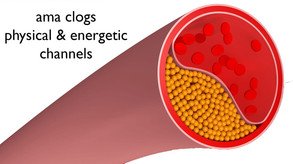 Ayurveda identifies numerous ways to prevent the accumulation of ama. A balanced diet, lifestyle, and exercise routine are important places to begin. Inward practices such as meditation are also important for staying in touch with the true essence of your inner nature. Ayurveda also identifies numerous ways to rid the body of excess ama. Sweating through physical exercise, for example, is a highly effective way to release ama from the tissues and channels of the body. After breathing, sweating is the body’s second largest method of detoxification. Special dietary practices, such as drinking cleansing teas or fasting, are also effective. If you would like to get a general idea of your current ama levels, print out the questionnaire below and circle a number for each question. A score between 0-15 indicates a low level of ama; 16-35 indicates a moderate amount of ama; and 36-50 indicates a high level of ama. |
||||||||||||||||||||||||||||||||||||
|

http://www.eattasteheal.com/ayurveda101/ETH_Toxic.htm
Comments
Post a Comment